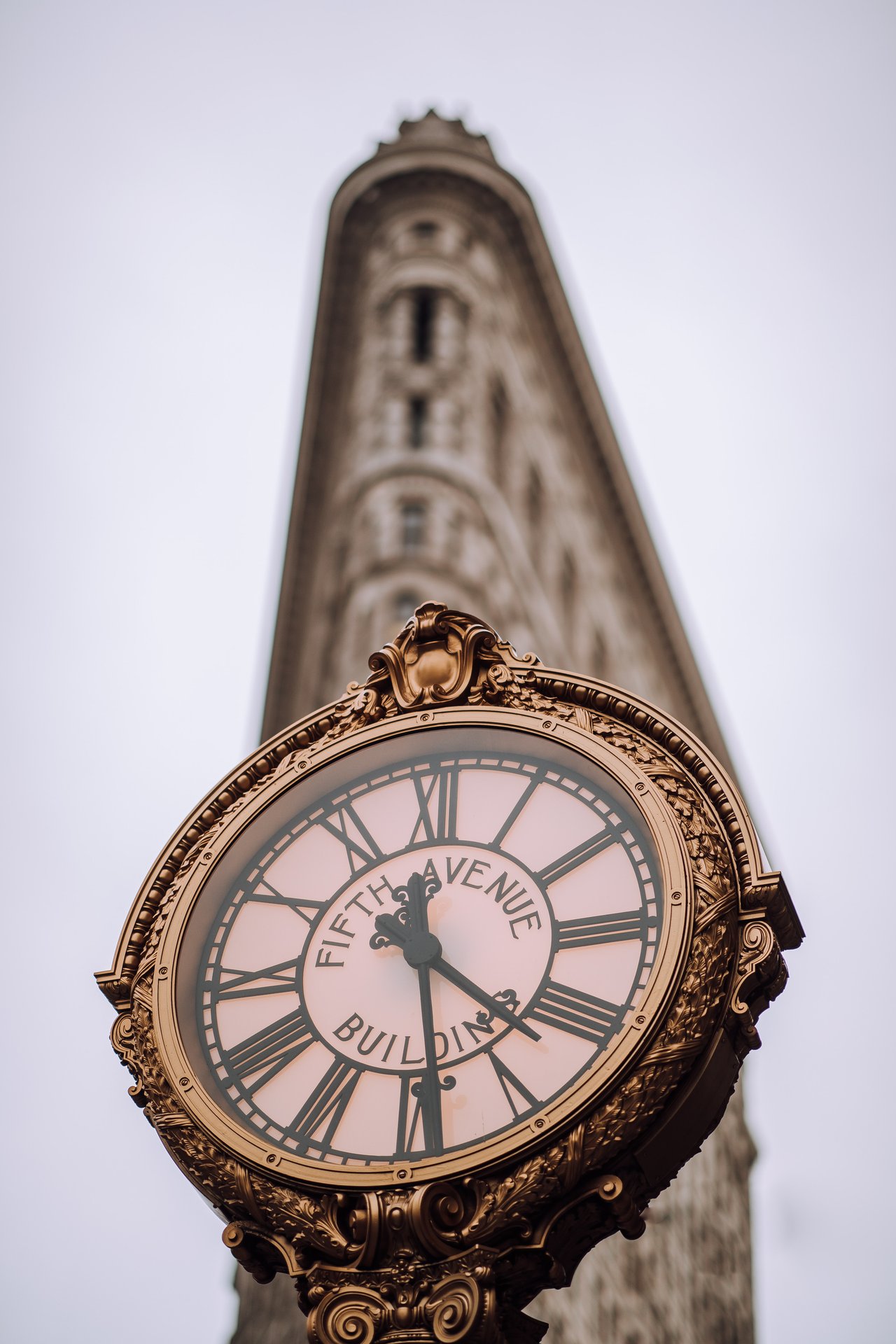
If you want a Manhattan weekend that feels full without feeling frantic, Chelsea is hard to beat. You can move from coffee to galleries, from the High Line to the waterfront, and from lively market halls to quieter residential blocks in just a few hours. That mix is exactly what makes the neighborhood so appealing, whether you are visiting for the day or thinking more seriously about life on the West Side. Let’s dive in.
Why Chelsea works for a weekend
Chelsea offers a rare balance in Manhattan. On one side, you have a major arts corridor with galleries, restaurants, and nightlife concentrated in West Chelsea. On the other, you have a more traditional residential core to the east, where the neighborhood feels more rooted in everyday city life, a contrast reflected in city planning materials.
That split is part of Chelsea’s charm. You do not have to choose between culture and comfort, or between a visitor-friendly itinerary and a neighborhood that feels lived in. Chelsea gives you both, which is why it works so well for a local-style weekend.
Start at Chelsea Market
If this is your first time planning a Chelsea weekend, Chelsea Market is the easiest place to begin. The market is open daily from 7 a.m. to 10 p.m., and its mix of food, shopping, and casual browsing makes it a practical launch point for almost any kind of day, according to the official Chelsea Market site.
You can keep it simple with coffee and breakfast, or turn it into a longer stop. The market highlights morning options ranging from crêpes and coffee to more substantial breakfast plates, which makes it useful whether you are easing into the day or meeting friends before exploring the neighborhood.
Chelsea Market also works well if your group has different interests. The official directory includes stops like Pearl River Mart for gifts and home goods, The Lobster Place for seafood and a raw bar, Taste of Economy Candy for nostalgic sweets, and Manhattan Fruit Market for specialty produce.
Walk the High Line next
After Chelsea Market, head to the High Line. This 1.45-mile elevated former freight rail line runs from Gansevoort Street to West 34th Street between 10th and 11th Avenues, according to the High Line fact sheet.
The High Line helps organize the neighborhood in a way that feels easy even if you have not been to Chelsea in a while. It passes through the gallery district and offers art installations, lookout points, and food and drink vendors along the route, as noted by NYC Tourism.
This is also where Chelsea begins to reveal its layers. From above, you can see the relationship between former industrial blocks, newer mixed-use buildings, and the neighborhood streets that still feel distinctly residential. It is one of the best ways to understand Chelsea beyond a basic checklist of attractions.
Explore the gallery district
Chelsea is widely known for its concentration of contemporary art. Official sources vary on the exact number, but both city and tourism sources point to a major cluster of galleries in West Chelsea, especially between West 18th and West 27th Streets and between 10th and 11th Avenues.
For a weekend plan, the exact count matters less than the experience. A Chelsea gallery guide from NYC Tourism notes that commercial galleries are free to enter, which makes this one of the most rewarding low-cost ways to spend an afternoon in Manhattan.
If you want a loose route, focus on the 10th-to-11th Avenue corridor. NYC Tourism highlights names like Petzel, Hauser & Wirth, David Zwirner, Gagosian, Pace, Cheim & Read, and Greene Naftali, but the appeal is not just checking off recognizable spaces. It is the rhythm of moving from one exhibition to the next and seeing what catches your attention.
How to do a gallery walk
A Chelsea gallery walk does not need much planning. In fact, it is usually better when it feels flexible.
- Pick a small stretch, such as West 20th to West 24th Streets
- Plan to visit three to five galleries, not twenty
- Leave time to wander between stops
- Remember that admission is generally free at commercial galleries
That last point is worth emphasizing. Chelsea can feel like a major cultural outing without the cost of a fully ticketed day.
Make time for the waterfront
One of Chelsea’s biggest strengths is how quickly it shifts from dense city blocks to open river views. Hudson River Park gives the neighborhood breathing room, and it is ideal when you want to slow the pace after the galleries.
At the Chelsea Entry Garden near West 22nd Street, you will find raised planting beds, shaded tables, and views toward the Hudson River. A short walk away, Pier 63 Lawn is described by the park as the largest contiguous green space in Hudson River Park, making it an easy spot to sit, snack, or reset.
If you are planning a weekend with more activity, the waterfront can do that too. NYC Tourism notes that Pier 62 includes a carousel, while Chelsea Piers anchors the riverfront with a 28-acre sports village that includes a driving range, ice rinks, field house, and fitness facilities.
Where to eat in Chelsea
Chelsea makes it easy to build a day around food without overplanning. If you want convenience and variety, Chelsea Market is still the obvious answer. If you want a sit-down meal before or after exploring, the neighborhood offers solid options that fit naturally into a weekend route.
According to official NYC Tourism listings, La Devozione inside Chelsea Market centers on pasta and also includes a retail shop, coffee bar, and cocktail bar. In the arts district, Hav & Mar offers a seafood-focused option, while Wildflower sits beneath the High Line with New American dishes, cocktails, and walk-in-friendly bar and garden seating.
The nice thing about dining in Chelsea is that you can keep adjusting as the day unfolds. A market breakfast can turn into a gallery afternoon, which can turn into waterfront downtime and dinner nearby without much backtracking.
See Chelsea beyond the hotspots
A good local weekend guide should not make Chelsea feel like a single strip of attractions. The neighborhood is more nuanced than that. West Chelsea draws many visitors because of its galleries and High Line access, while the blocks east of Tenth Avenue tend to feel more residential, a pattern described in city planning documents.
That distinction matters if you are trying to get a real sense of the area. Community Board 4 describes Chelsea as a desirable residential neighborhood because of its streetscapes, building types, local institutions, and proximity to cultural resources and amenities, as noted in its budget statement.
In practical terms, that means your best Chelsea weekend may include both the headline destinations and the quieter blocks in between. Walk west for art and river views, then circle east to notice the neighborhood’s residential texture.
Add nearby West Side stops
Chelsea also works well because it connects so easily to nearby West Side neighborhoods. To the south, it blends toward the Meatpacking District. To the north, the High Line continues toward Hudson Yards, giving your weekend a natural extension if you want one.
NYC Tourism’s Hudson Yards overview notes that the High Line runs through Chelsea’s gallery district and ends at the Whitney Museum of American Art. Even if your main focus is Chelsea, that walkable connection helps the neighborhood feel like part of a bigger West Side experience rather than a standalone stop.
A simple Chelsea weekend plan
If you want a straightforward itinerary, this is an easy way to structure the day:
Morning
- Start with coffee or breakfast at Chelsea Market
- Browse a few shops before the crowds build
- Walk west toward the High Line
Afternoon
- Stroll part of the High Line
- Spend a few hours in the gallery district between 10th and 11th Avenues
- Head to Hudson River Park for a break by the water
Evening
- Return to Chelsea for dinner
- Choose a relaxed market stop or a sit-down meal nearby
- Take a final neighborhood walk through the quieter residential blocks
Why Chelsea matters for buyers and renters
If you are exploring Manhattan neighborhoods with a real estate lens, Chelsea gives you a useful snapshot of what many buyers and renters want. It offers access to arts and culture, meaningful public open space, strong connectivity, and distinct micro-areas within one neighborhood.
That internal contrast is especially important. West Chelsea has a more gallery-centered identity, while the eastern side of the neighborhood feels more residential. For many people, that means Chelsea is not just a place to visit on the weekend. It is also a place where you can start to picture how different blocks support different lifestyles.
If you are considering a move within Manhattan, understanding those block-by-block differences can make a big difference in your search. That is where local perspective matters. If you want help exploring Chelsea and other Manhattan neighborhoods with clarity, Darya Goldstein can help you think through what fits your lifestyle and goals.
FAQs
What is the best first stop for a weekend in Chelsea?
- Chelsea Market is the easiest starting point because it combines food, shopping, and a convenient location near the High Line.
Is Chelsea more residential or more visitor-focused?
- Both. West Chelsea is more visitor-focused with galleries and cultural destinations, while the area east of Tenth Avenue is more residential.
Are Chelsea art galleries free to enter?
- Yes. NYC Tourism notes that commercial galleries in Chelsea are free to enter.
What outdoor spots should you visit in Chelsea?
- The High Line, the Chelsea Entry Garden, and Pier 63 Lawn are great places to add open air and waterfront views to your weekend.
Can you explore Chelsea on foot in one weekend?
- Yes. Chelsea’s key attractions are close together, which makes it easy to cover food, art, parks, and neighborhood streets on foot.