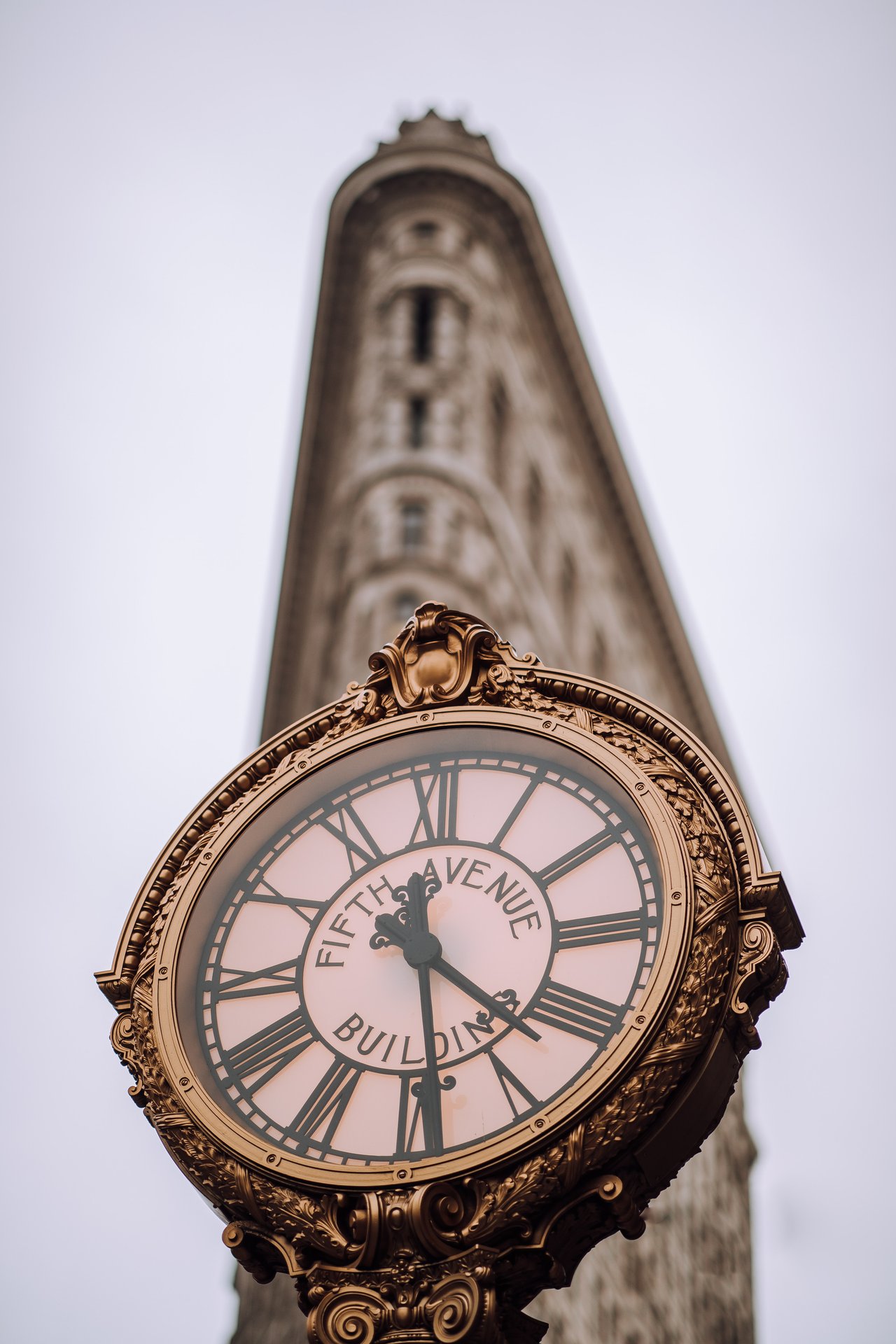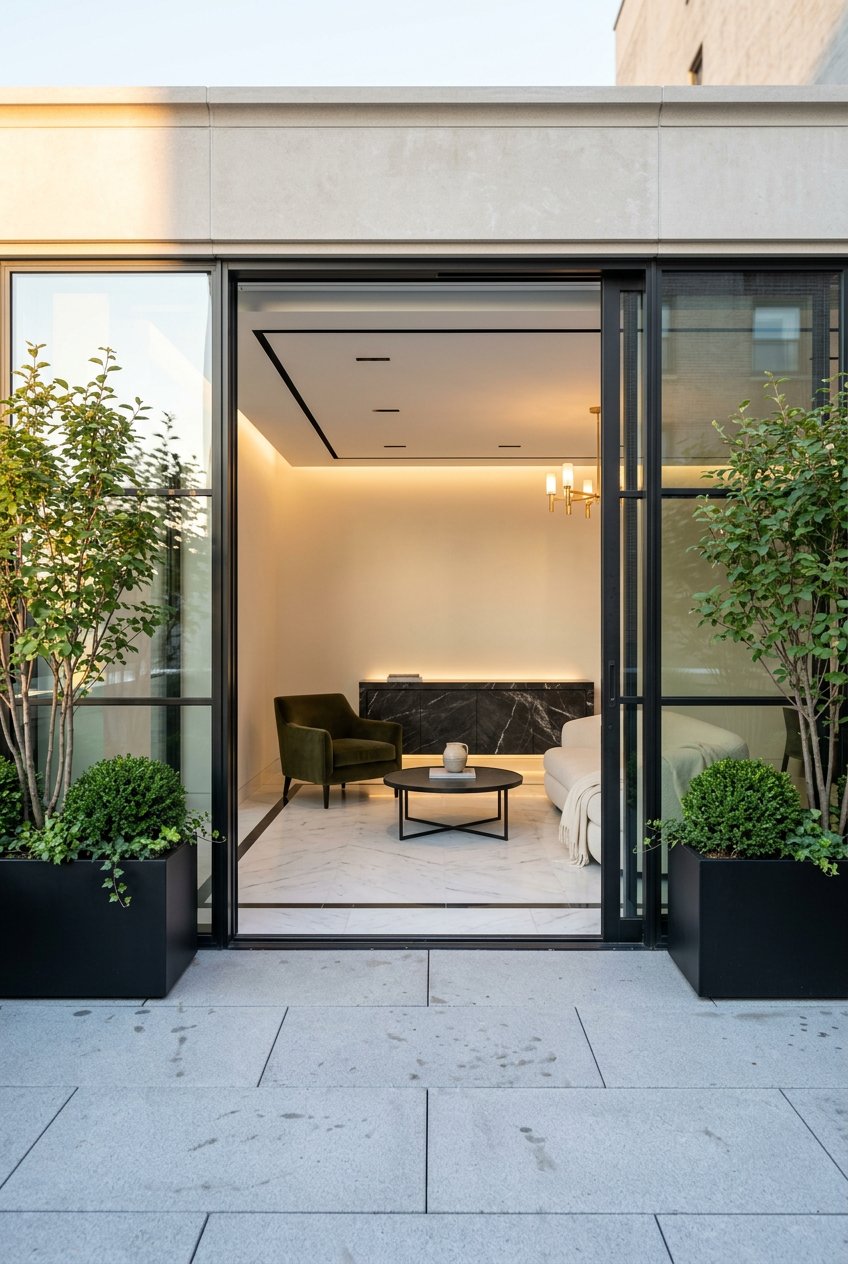
You do not choose NoMad by accident. You come for design, dining, and the energy of Madison Square Park, and you expect your building to match that lifestyle. In NoMad, amenities are not an afterthought. They shape your day, your budget, and how you use your home. In this guide, you will learn what amenity‑rich living looks like in NoMad condos, what it can cost each month, and how to choose the right building for you. Let’s dive in.
Why NoMad loves amenities
NoMad is a compact, walkable pocket of Manhattan centered around Madison Square Park. The neighborhood blends historic architecture with new towers, boutique hotels, and creative offices, which supports a lifestyle where your building’s shared spaces matter as much as your private home. You can read more about the neighborhood’s history and boundaries in this overview of NoMad as a Manhattan neighborhood.
Developers here compete on the quality of their lifestyle offering. That means rooftops, wellness floors, lounges, and hotel‑style services are common across new condo inventory. The area’s restaurants and boutique hotels reinforce this focus, which is why many projects in NoMad market extensive amenity programs and services to buyers who value convenience and design-forward living, as seen in this NoMad neighborhood guide.
Amenities you will find
Outdoor space and rooftops
Expect landscaped rooftops with seating, dining tables, and grills. Private terraces or balconies may appear in select lines. Citywide buyer interest in private outdoor space has stayed strong, and buildings continue to highlight roof gardens and furnished terraces as signature features, which tracks with StreetEasy’s year‑in‑review on amenity demand.
Fitness and wellness
You will often see windowed gyms, yoga or movement studios, and spa areas with steam and sauna. Select buildings include full‑service pools and recovery facilities like cold plunge rooms. A prime example is Madison House, which delivers a spa and multi‑lane pool along with dedicated fitness spaces, as detailed in CityRealty’s profile of Madison House.
Work‑from‑home lounges
Hybrid work pushed many buildings to add co‑working lounges with reservable meeting rooms and quiet phone booths. These are designed to replace ad hoc setups in your living room and to give you a professional setting for calls or client meetings. This feature grew in step with amenity trends highlighted in StreetEasy’s 2024 year‑in‑review.
Hotel‑style services
Concierge desks, valets, and partnerships with hotel operators bring in‑residence dining options, package management, and on‑demand services. In NoMad, which sits among boutique hotels and branded residences, these offerings are particularly visible, as the NoMad neighborhood guide notes.
Practical daily perks
Beyond the headline amenities, most buildings round out their programs with package rooms or lockers, cold storage for groceries, bike rooms, pet‑wash stations, and private dining or catering kitchens. These solve the frictions of city living and tend to be used frequently, a pattern that aligns with citywide amenity preferences in StreetEasy’s 2024 review.
A day in NoMad living
- Morning: Take coffee to the roof for a few quiet minutes, then fit in a 45‑minute strength session. If you prefer a calmer start, a light‑filled yoga studio makes it easy to stretch before heading out. Interest in outdoor space and fitness continues to rank high, as noted by StreetEasy’s amenity trends.
- Workday: Book a desk or small meeting room downstairs for video calls. When you need to meet a client, use the building lounge or a private dining room so you can skip crowded cafes.
- Evening: Host friends on the terrace, then wind down in the spa or pool. Families often use kid‑friendly rooms on weekends, and pet owners appreciate on‑site wash stations and quick access to nearby dog runs.
What it costs monthly
Amenities influence your monthly carrying costs, which include common charges and real estate taxes in condos. Douglas Elliman’s Q1 2025 Manhattan report recorded an average of about $3.28 per square foot per month for condo resales across the borough. You can review the full data in the Elliman Q1 2025 report.
Here is how that citywide average translates to sample unit sizes:
- Studio, about 500 square feet → about $1,640 per month
- One bedroom, about 700 square feet → about $2,296 per month
- Two bedrooms, about 1,000 square feet → about $3,280 per month
These are simple illustrations using the average per‑square‑foot figure. Actual charges vary by building, staffing model, and taxes. Amenities that require heavy staffing or maintenance, like full‑service spas and restaurants, can increase operating costs for owners over time. Industry coverage has noted that developers and operators weigh amenity costs per square foot when shaping programs, a shift explained in The Real Deal’s report on the cooling amenities race.
Two more cost factors to keep in mind:
- Energy compliance: New York City’s energy laws, including Local Law 97, push buildings to invest in efficiency upgrades. Pools, hotel‑grade HVAC, and hot water loads increase complexity, which can lead to higher budgets or future assessments. Learn more via this overview of Local Law 97 and related compliance considerations.
- Insurance environment: Changing insurance markets can affect operating budgets, especially in buildings with larger mechanical systems. Budget line items may shift year to year as policies renew.
Spotlight: real NoMad examples
Madison House
A showcase for wellness amenities, Madison House offers a spa environment with a multi‑lane pool, sauna, cold plunge, and separate fitness zones. Residents use the pool and spa for weekly recovery, book the private dining room for small dinners, and gather in the landscaped roof garden during warm months. See highlights in CityRealty’s Madison House profile.
212 Fifth Avenue
A historic conversion that blends prewar character with modern comforts, 212 Fifth emphasizes boutique scale with a screening room, fitness center, residents’ lounge, golf simulator, and catering kitchen. Buyers who want shared spaces without an oversized amenity footprint find this mix appealing. Explore the building’s program in this 212 Fifth Avenue feature.
Ritz‑Carlton Residences, NoMad
Branded, service‑forward living sits at the heart of NoMad’s identity. Here, a spa, indoor pool, club lounges, and concierge or valet services deliver hotel‑level convenience. Owners often trade higher fees and specific rules about guest access for seamless services. For neighborhood context and examples, see this NoMad neighborhood guide.
Trend: curated over colossal
The era of super‑sized amenity floors is evolving. Operators and developers have learned that enormous, heavily staffed packages can be costly to run, and not every specialty room gets steady use. Many new programs favor smaller, higher‑quality spaces that deliver daily utility, a change detailed in The Real Deal’s analysis of amenity trends.
Survey data supports this shift. Interest remains strong in fitness, outdoor space, and business‑oriented amenities, but many buildings report lower, intermittent use of specialty rooms like theaters. You can see this interest-versus-usage gap summarized in the NMHC/Kingsley resident preferences infographic.
Choose the right mix
Start with a simple framework to match your routine to a building’s offering:
- List what you will use every week. For most buyers, that includes a great gym, roof or terrace access, and a solid package system. If you will host often, add a private dining room to your must‑have list.
- Decide if you prefer self‑service or full service. Self‑service spaces cost less to operate. Branded, hotel‑style services add convenience but can come with higher monthly fees.
- Set a realistic monthly target. Use the borough‑wide average of $3.28 per square foot per month as a starting point from the Elliman report, then adjust for building scale and staffing. Pools, spas, and restaurants are wonderful, but they are not free to run.
Buyer checklist
Before you make an offer, request and review these items so you understand both lifestyle and cost:
- Current common charge statement and operating budget. See how amenities are funded and what line items drive the total. A borough‑wide baseline appears in the Elliman Q1 2025 report.
- Most recent audited financials and any reserve study. You want adequate reserves and a plan for capital work.
- History of common charge increases and any planned or current assessments. This shows trend lines and upcoming projects.
- Amenity staffing model. Clarify whether staff are in‑house, third‑party, or part of a branded operator, and whether some services are fee‑based. The shift toward curated programs is explained in The Real Deal’s coverage.
- Building rules for rentals and short‑term stays. Policies vary across buildings, and hotel‑adjacent projects often have tighter rules. The NoMad neighborhood guide offers context on hotel‑influenced living.
- Amenity reservation systems and peak‑use policies. Ask how you book spaces, if there are blackout times, and how private events work. These features evolved with hybrid work and are common in buildings covered by StreetEasy’s 2024 review.
- Local Law 97 plan and timeline. Request any energy benchmarking reports and projected upgrades. Complex systems like pools can affect compliance, as outlined in this Local Law 97 overview.
- Pet, package, and bike policies. These day‑to‑day systems often matter more than a seldom‑used specialty room.
Bottom line
Amenity‑rich living defines the NoMad experience. The best programs make your daily life easier with strong fitness, useful work lounges, and quality outdoor space. Service‑heavy packages add comfort but also add cost. If you align the offering with your routine, budget, and long‑term plans, you will enjoy the lifestyle NoMad is known for without surprises.
If you are weighing buildings or want a second set of eyes on budgets and rules, connect with a local advisor who can decode the details and help you compare options side by side. When you are ready to tour, reach out to Darya Goldstein to get a clear, personalized plan.
FAQs
What is NoMad and where is it in Manhattan?
- NoMad sits north of Madison Square Park around 25th to 30th Streets and blends historic buildings with new luxury towers and hotels for a walkable, central lifestyle.
Which condo amenities add the most daily value in NoMad?
- Gyms, outdoor roof space, co‑working lounges, and strong package systems tend to see the most regular use, while specialty rooms may see lighter, occasional use.
How do amenities affect condo common charges each month?
- Larger, staffed programs and systems like pools or spas can increase operating costs, which show up in monthly charges and sometimes in future capital assessments.
Are hotel‑branded residences in NoMad worth the higher fees?
- If you will use concierge, valet, and in‑residence services often, the convenience can be worth the premium, but you should review rules, budgets, and guest policies first.
What documents should I request before I bid on a NoMad condo?
- Ask for current common charges, the operating budget, audited financials, reserve study, charge increase history, assessment plans, amenity rules, and energy compliance plans.