Thinking about selling your Greenwich Village home and wondering when to hit the market? Timing matters here more than you might think. The Village follows clear seasonal rhythms, and the right month can boost buyer traffic, reduce days on market, and help you get the outcome you want.
In this guide, you’ll learn the best windows to list in Greenwich Village, how co‑ops and historic status can affect your timeline, and how to tailor your plan if you want top price, a fast sale, or a coordinated move. You’ll also get a simple checklist to prep your home so you launch with confidence. Let’s dive in.
Best months to list in Greenwich Village
Greenwich Village follows Manhattan’s classic pattern. Spring is the busiest season for listings and showings, with early fall as a strong second. Summer and the holidays are slower, though serious buyers remain active.
- Spring (March to June): Highest buyer activity and strong pricing power. Longer daylight and better weather help showings and photography.
- Early fall (September to October): Buyers return from summer, inventory refreshes, and momentum picks up again.
- Summer (July to August): Activity softens as many people travel. With fewer listings, well‑priced homes can still stand out.
- Late fall and winter (November to February): Quieter overall. Fewer listings can reduce competition, and active buyers are often highly motivated.
Why spring stands out
Spring usually brings the most traffic and broadest buyer pool. The energy in the market plus good light for photos and showings can support stronger results. Just remember that competition from other sellers is also highest, so preparation and pricing strategy are key.
The early fall window
If spring doesn’t fit your plans, early fall is a smart alternative. You can capture buyers who missed out in spring and those returning from summer travel. Listing in late August lets you meet that demand as momentum builds.
When speed matters in winter
If a quick, certain sale is your priority, winter can work. There are fewer shoppers, but those who are looking tend to be serious. Expect potential trade‑offs on price, and make sure your pricing and presentation reflect that goal.
What makes the Village unique
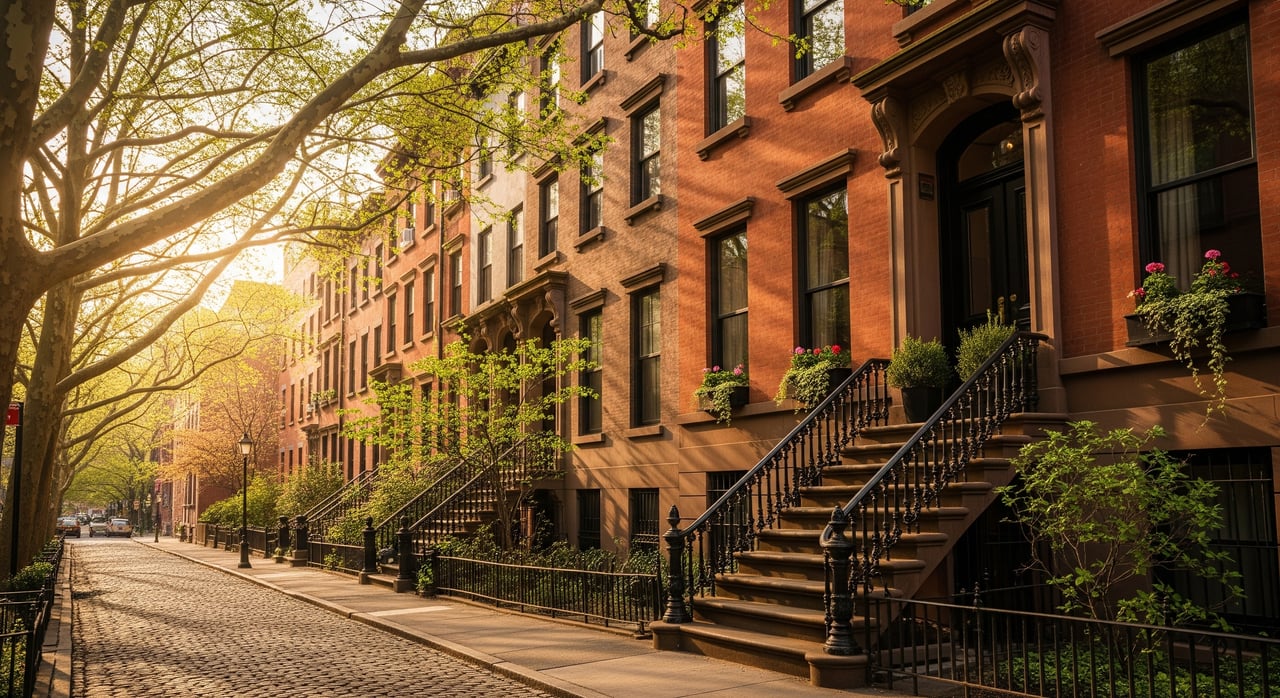
Greenwich Village has a high share of prewar co‑ops, a mix of classic walk‑ups and some townhouses, and fewer new‑development condos than nearby neighborhoods. That mix affects timelines, financing, and marketing.
Co‑ops vs condos: timing implications
Co‑ops require a board package and approval, which adds steps and time compared with many condo sales. Start assembling financials, reference letters, and building documents early to keep your contract period on track. Some co‑ops also have flip taxes or transfer rules, so review your proprietary lease, house rules, and recent board minutes with your attorney and managing agent.
Historic districts and curb appeal
Much of the Village falls within designated historic districts. Exterior changes often require permits, and certain alterations may not be allowed. Share this context with buyers and highlight compliant upgrades. For official guidance on permits in historic districts, review the NYC Landmarks Preservation Commission applications page.
Local calendar cues
Proximity to NYU and cultural events shapes buyer traffic. NYU’s semester starts in late August and September, which can influence investor and rental interest. Check the NYU academic calendar when timing a fall listing. June Pride events run through the Village and bring visibility and street activity; consider the schedule from NYC Pride events so showings are smooth and accessible.
Choose timing by your goal
Your best listing month depends on what matters most to you: price, speed, or coordination.
Goal: Maximize sale price
- Target window: late March to early May, or early September.
- Prep moves: complete staging and photography before your list date; schedule open houses to align with high‑traffic weekends.
- Pricing: anchor to recent Village comps and buyer behavior in the season, then monitor first‑two‑weeks activity and adjust quickly if needed.
Goal: Speed and certainty
- Target window: late fall through winter to reduce competition.
- Prep moves: have co‑op financials and building documents ready; consider a pricing strategy that signals value and accelerates offers.
- Negotiation: expect fewer showings but more motivated buyers.
Goal: Coordinate a move or school-year timing
- Target window: work backward from your ideal closing date. For summer moves, list in spring.
- Prep moves: build in extra time for co‑op board review, mortgage underwriting, and NYC closing logistics.
- Contingencies: align sale and purchase dates early with your attorney and lender.
Your pre‑listing timeline
A little organization goes a long way in the Village. Start early so you can launch in your preferred window.
6 to 10 weeks before listing
- Gather documents: deed, financial statements, recent maintenance records, house rules, and building policies. Condo sellers should add offering plan and HOA documents.
- Assemble co‑op board package materials: tax returns, W‑2s, bank statements, and reference letters. This is the biggest time sink for co‑op sales.
- Book staging and photography: prime spring and fall calendars fill up fast.
- Coordinate with your attorney and, if you are buying next, your lender to align timelines.
During the listing period
- Track early showing traffic and feedback in the first two weeks. Adjust price or presentation if momentum is soft.
- For co‑ops, help your buyer move quickly on their board package by being responsive with building questionnaires and any seller items.
After offer acceptance
- Confirm board review timelines and any contract contingencies.
- Prepare for NYC closing logistics, including building requirements and wiring procedures.
- For deed and recording references, consult the NYC Department of Finance’s ACRIS system with your attorney.
Staging and photography by season
- Spring: lean into greenery, fresh flowers, and bright, natural light. Exterior shots shine now.
- Summer: manage glare and heat; highlight air‑conditioning and quiet interiors.
- Early fall: warm, neutral palettes and clear surfaces help buyers focus on space. Avoid heavy holiday decor.
- Winter: emphasize cozy lighting and energy efficiency; consider twilight exteriors and tasteful virtual staging.
Pricing and competition in context
Spring and early fall deliver the most exposure, which supports stronger pricing but invites more competition. Summer and winter bring fewer buyers, yet lower inventory can help a sharp listing stand out. Align your price with seasonal expectations, watch early traffic closely, and be ready to recalibrate if the market signals a different value.
Quick seller checklist
- Choose your target window: spring for maximum exposure, early fall for a strong second option, or winter for speed.
- Confirm building specifics: co‑op board package requirements, flip taxes, and house rules.
- Book staging and media: aim to be fully ready before going live.
- Prep disclosures: be transparent about historic‑district context and permitted exterior work.
- Sync your team: attorney, lender, and managing agent if applicable.
Ready to choose your date and plan the steps with confidence? Reach out to Darya Goldstein to map your timing and preparation to the Greenwich Village market so you launch at the right moment.
FAQs
Is spring always the best time to list in Greenwich Village?
- Spring usually brings the most buyers and the strongest pricing power, but early fall is also active, and winter can work well if you prioritize speed and lower competition.
How long do co‑op sales take versus condos in the Village?
- Co‑ops typically add time for board packages and approvals; exact timing varies by building, so start assembling documents early to keep your contract period on track.
Will listing during the holidays hurt my price in Greenwich Village?
- The buyer pool is smaller, but active shoppers are often serious; expect trade‑offs on price in exchange for potential speed and less competition.
Do historic‑district rules affect my sale in Greenwich Village?
- Yes, exterior changes may require permits, so disclose the context and direct buyers to official guidance from the NYC Landmarks Preservation Commission.
Which local events could affect showings in Greenwich Village?
- June Pride events and other neighborhood festivals can boost visibility but may complicate access; check the NYC Pride events schedule and plan showings around large gatherings.
How should I price for a fast sale in Greenwich Village?
- Use a value‑forward strategy that reflects current inventory and seasonal demand, then monitor early showings and adjust quickly if the response is below expectations.