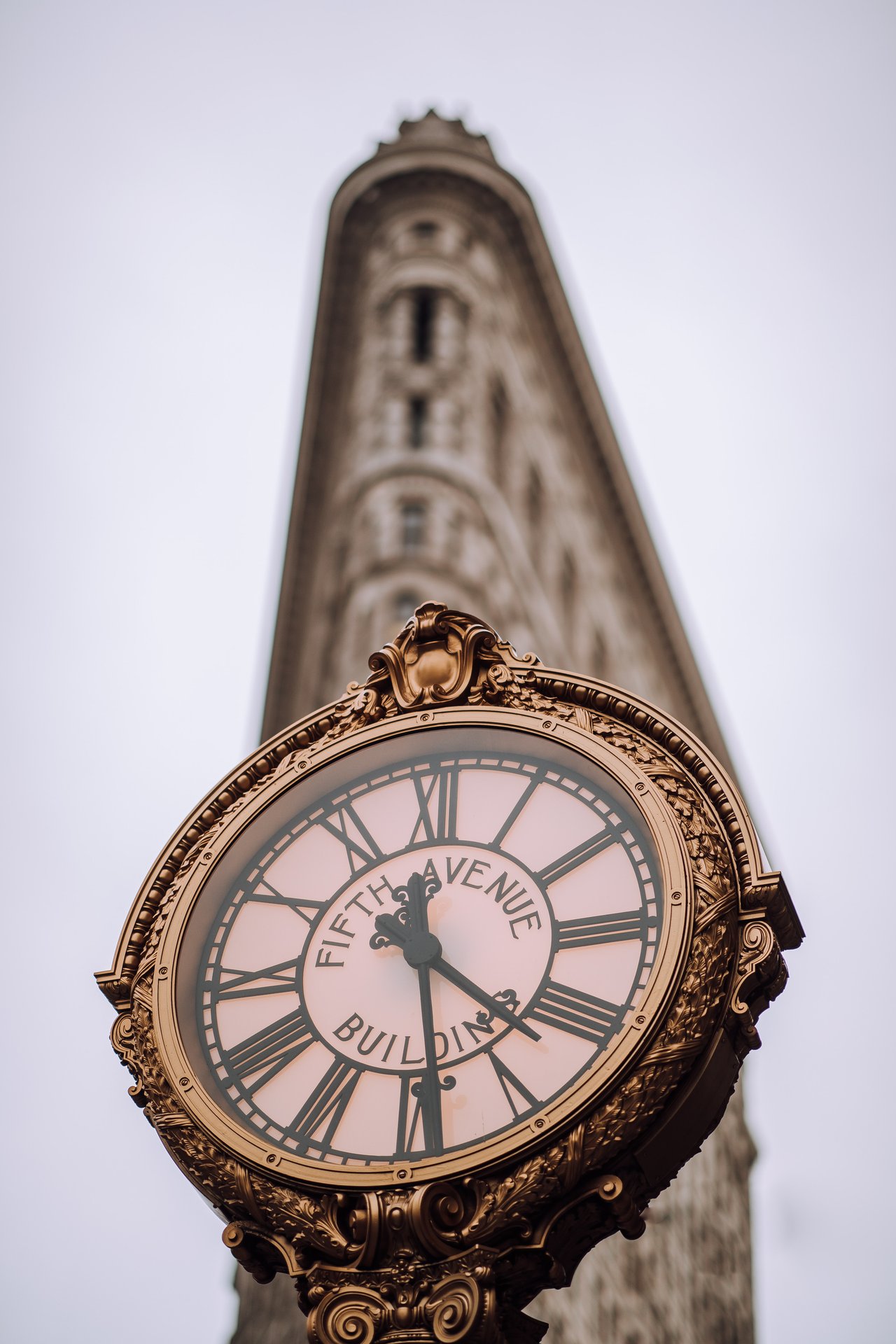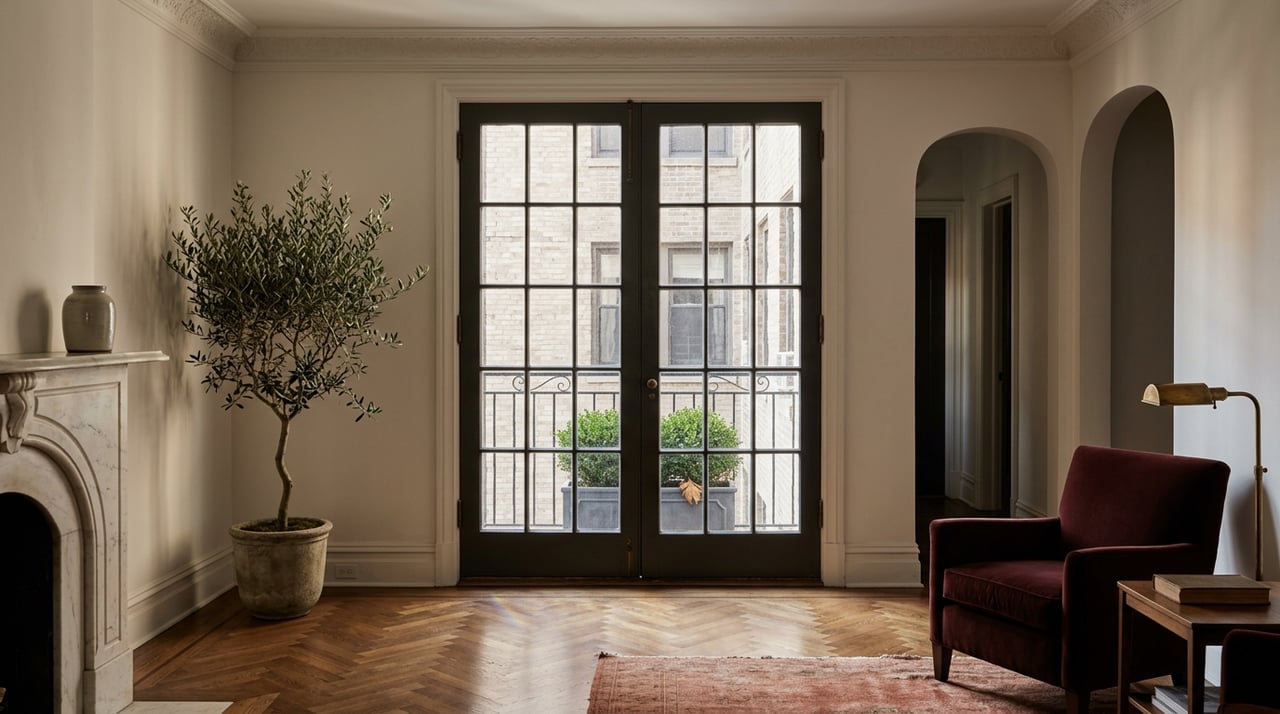
Ask a broker what a home costs in Chelsea and you'll get a number that means almost nothing. The neighborhood's blended median hides two separate markets operating under two separate sets of rules, and since July 1, 2026, one of those markets has been paying a new annual tax that the other one mostly avoids.
The line runs roughly along Eighth to Tenth Avenue, though it shifts a block or two depending on which broker you ask. East of it, Chelsea is prewar co-ops and converted lofts: buildings like Walker Tower, Chelsea Mercantile, and London Terrace Gardens and Towers, trading somewhere in the $1,400 to $2,200 per square foot range. West of it, toward the High Line, Chelsea is almost entirely new-construction condominium: 520 West 28th Street, the Zaha Hadid building, One High Line's twin travertine towers by Bjarke Ingels, Lantern House, The Cortland, Soori High Line, and smaller boutique projects like 515 West 29. That stretch trades at $2,800 to $4,500 or more per square foot, with penthouse closings well into eight figures.
The usual explanation is that buyers pay for the High Line view, the newer finishes, the glass. That's true as far as it goes. But it skips the part that actually decides who can compete for those units in the first place: how you're allowed to own them.
Two Blocks, Two Ownership Deals
A co-op in East Chelsea and a condo tower near the High Line aren't just different products. They're different legal relationships to the building.
Buy the co-op and you're purchasing shares in a corporation, subject to a board that reviews your finances, your references, and often your intentions for the apartment. Manhattan co-op board approval typically runs a four-to-eight-week cycle on top of the rest of the closing timeline, which is a major reason co-ops across the borough average 90 to 120 days from contract to close in early 2026, well behind correctly priced condos in prime downtown locations that were signing in 30 to 45 days over the same stretch. Boards routinely restrict subletting, scrutinize purchases made through an LLC, and in many buildings effectively expect the apartment to be someone's primary home rather than an occasional-use unit.
Buy the condo and none of that applies. Condominium ownership is real property, not shares, and it comes with none of the board discretion that defines a co-op purchase. Foreign buyers and LLC ownership are broadly accepted across condominium new development in Manhattan, subletting is rarely restricted, and closings move at the pace of financing rather than the pace of a board's monthly meeting.
That single structural difference explains more of the price gap than the view does. West Chelsea's buyer pool includes institutional finance buyers clustered near Hudson Yards and international family buyers who specifically favor condo ownership for its flexibility, according to brokers tracking the corridor. East Chelsea's co-op stock, by contrast, draws buyers who are financeable, patient with board process, and generally planning to live there. You aren't just paying more per square foot in West Chelsea. You're paying for a different, much larger pool of capital being allowed to bid.
| East Chelsea (roughly east of 8th–9th Ave) | West Chelsea (High Line corridor, roughly west of 9th–10th Ave) | |
|---|---|---|
| Dominant stock | Prewar co-ops, converted lofts | New-construction condominium |
| Typical price per square foot | $1,400–$2,200 | $2,800–$4,500+ |
| Ownership form | Co-op shares | Condominium, fee simple |
| Board approval | Yes, 4–8 week cycle typical | None |
| LLC / foreign buyers | Often restricted or discouraged | Broadly accepted |
| Subletting | Frequently limited by proprietary lease | Generally unrestricted |
| Named anchors | Walker Tower, Chelsea Mercantile, London Terrace | 520 W 28th, One High Line, Lantern House, The Cortland, Soori High Line |
The Tax That Found the Buyers It Was Looking For
That's what made West Chelsea's premium make sense for a decade. Then the state changed the math for the exact buyer profile the condo structure was built to attract.
New York's pied-à-terre surcharge, enacted under Tax Law Article 30-C, took effect July 1, 2026, and runs through 2031. It applies an annual surcharge of 4 to 6.5 percent to condos and co-ops valued at $1 million or more that aren't the owner's primary residence, with the threshold set higher, at $5 million, for one-to-three-family homes. Owner-occupied primary residences are exempt. So are unsold sponsor units and units without a certificate of occupancy.
Read that against the ownership map above and the target becomes obvious. The tax doesn't touch a Walker Tower shareholder living in their apartment nine months of the year, because East Chelsea co-op boards were already filtering toward primary-resident buyers before the law existed. It lands squarely on the West Chelsea condo owner who bought precisely because condo ownership let them hold the unit as a pied-à-terre, rent it out when they're not in town, or park capital in it through an LLC without ever intending to live there full time.
Picture two buyers touring Chelsea on the same afternoon. One is looking at a two-bedroom co-op near Ninth Avenue, planning to live there and already gathering board package documents. The other is looking at a two-bedroom at One High Line, planning to use it a few weeks a year and let a management company handle the rest. As of this year, only the second buyer is carrying a new annual line item that didn't exist twelve months ago.
It's too early to say whether that surcharge meaningfully cools demand at the top of the West Chelsea market. The tax has only been in effect a couple of months. What it does, right now, is put a dollar figure on a distinction that used to be invisible on a listing sheet: the difference between buying where you'll live and buying where you'll simply own.
The Corridor Keeps Building Condos Anyway
If the surcharge were going to scare capital out of West Chelsea, you'd expect the development pipeline to show it. So far it doesn't. Toll Brothers closed on a roughly 12,000-square-foot parcel at 118 Tenth Avenue for $53 million in early 2026, with plans for an 85,000-square-foot condominium on a site developers have called one of the most compelling remaining opportunities on the West Side. A few blocks away, 550 West 21st Street is rising as a 23-story, 83-unit condo tower designed by Thomas Juul Hansen. And the Terminal Warehouse, the 130-year-old landmarked building on the West Chelsea waterfront, is nearing completion on a six-story addition as part of a billion-dollar-plus conversion into wellness-focused office and retail space, a sign that institutional capital still sees the corridor as worth building around, not just buying into.
None of that is a co-op. Developers keep choosing the condominium structure because it's still the ownership form that matches the capital they're targeting. The pied-à-terre surcharge changes the annual cost of holding a unit as an investor or occasional resident. It doesn't change who's legally allowed to buy one, and that access, more than the tax bill, is what's kept the west side of Chelsea building at the pace it has.
What This Means If You're Choosing a Side
- If you plan to live in the apartment full time, the co-op side of Chelsea is worth a serious look purely on price per square foot, and the pied-à-terre surcharge won't touch you as a primary resident.
- If you're buying through an LLC or expect to use the apartment part-time, budget the annual surcharge into your true carrying cost before you compare it against a co-op's monthly maintenance.
- If speed matters, know that a condo closing and a co-op closing are not the same process. The board approval cycle alone can add four to eight weeks that a condo purchase simply doesn't have.
- If you're weighing resale flexibility, a condo's unrestricted subletting is worth more than it looks like on paper if your plans could change in five years.
A Few Direct Questions
Does the pied-à-terre surcharge apply to co-ops too, not just condos? Yes. The law applies to non-primary condos and co-ops valued at $1 million or more. It's the ownership pattern in most Chelsea co-ops, buyers who intend to occupy, rather than an exemption for the co-op structure itself, that keeps most of them out of the tax's reach.
Is the east-west line in Chelsea an exact street? No. Most brokers place the transition somewhere between Eighth and Tenth Avenue, and the exact block can shift depending on which building you're standing in front of. Treat it as a gradient rather than a hard border.
Can you still buy a West Chelsea condo through an LLC after the new tax? Yes, nothing about the surcharge restricts LLC purchases. It simply adds an annual cost to non-primary ownership, LLC or otherwise, that didn't exist before July 2026.
Choosing between a co-op near Ninth Avenue and a tower on the High Line isn't really a choice between two aesthetics. It's a choice between two ownership deals, two closing timelines, and now, two different tax exposures. If you want a read on which side fits how you actually plan to use the apartment, Darya Goldstein can walk through both sides of Chelsea with you, building by building. Let's Connect.