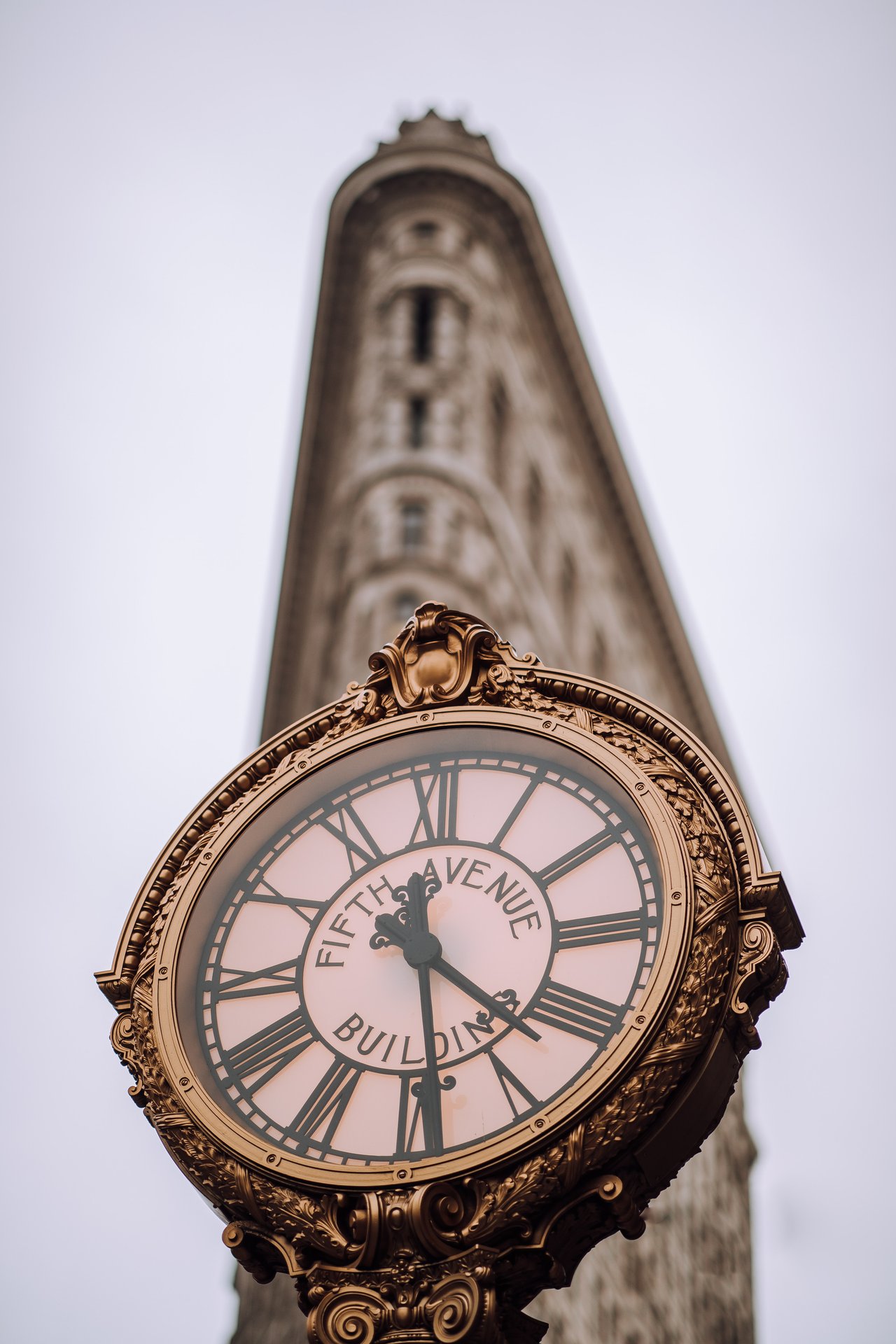
Choosing between two parts of West Chelsea can feel surprisingly tricky, even when they are only blocks apart. If you are deciding between a home near the High Line and one in Chelsea’s gallery district, you are really choosing between two different daily experiences. The good news is that each offers something distinct, and understanding those differences can make your search much clearer. Let’s dive in.
How These Two Chelsea Areas Differ
In West Chelsea, the High Line corridor generally refers to the blocks most closely tied to the elevated park, which runs from Gansevoort Street to West 34th Street between Tenth and Eleventh Avenues. The city’s zoning focus for the corridor centers on the rail and easement area between Gansevoort Street and West 30th Street, with planning rules designed to support residential uses, arts-related activity, and preserved light, air, and view corridors along the park, according to the High Line fact sheet.
The gallery district sits west of Tenth Avenue and is concentrated roughly between West 18th and West 27th Streets. According to NYC Planning’s West Chelsea summary, this area includes about 290 galleries, making it New York City’s largest arts district.
It also helps to separate both of these micro-areas from the older Chelsea Historic District farther east. That eastern section is known more for 19th-century rowhouses, which creates a very different residential feel from West Chelsea’s park-edge and industrial loft character.
High Line Corridor Homes
If you picture newer Chelsea living, you are likely picturing the High Line corridor. City planning documents describe this part of West Chelsea as an area shaped by new residential development along Tenth and Eleventh Avenues, with zoning rules that guide height, setbacks, and larger-scale projects through the neighborhood.
In practical terms, this is the part of Chelsea most associated with newer condos, mixed-use buildings, glass-heavy architecture, and full-service amenities. Many buyers are drawn to this section because it often offers features that are harder to find in older building stock, such as attended lobbies, fitness spaces, private outdoor areas, and layouts designed to take advantage of open exposures.
The biggest lifestyle draw is obvious: immediate access to the High Line itself. The park stretches 1.45 miles, sits about 30 feet above the street, and hosts more than 450 public programs and activities each year, according to the High Line’s official fact sheet.
Living near the park also puts you close to major destinations like Chelsea Market, the Whitney Museum, and The Shed where the High Line connects with Hudson Yards. For buyers who want a home base near public spaces, architecture, and well-known cultural institutions, this part of Chelsea can feel especially convenient.
What Daily Life May Feel Like
A High Line corridor home is often a fit if you want a more polished, contemporary residential environment. You may appreciate the ease of newer systems, building services, and proximity to one of Manhattan’s most recognized public spaces.
That said, park-adjacent living can feel more public-facing. Because of the High Line’s popularity and the concentration of nearby destinations, this area is likely to have more foot traffic and more visitor activity than interior West Chelsea blocks.
Gallery District Homes
The gallery district offers a different version of Chelsea. Rather than being defined by park-edge residential development, it is shaped by former garages, warehouses, and multi-story loft buildings that now house galleries and other arts-related uses.
According to NYC planning materials, galleries appear on nearly every block in this part of West Chelsea, with the strongest concentration between West 24th and West 26th Streets. The West Chelsea summary report and landmark materials describe the area as a rare surviving industrial neighborhood, with roughly 30 structures dating from 1885 to 1930.
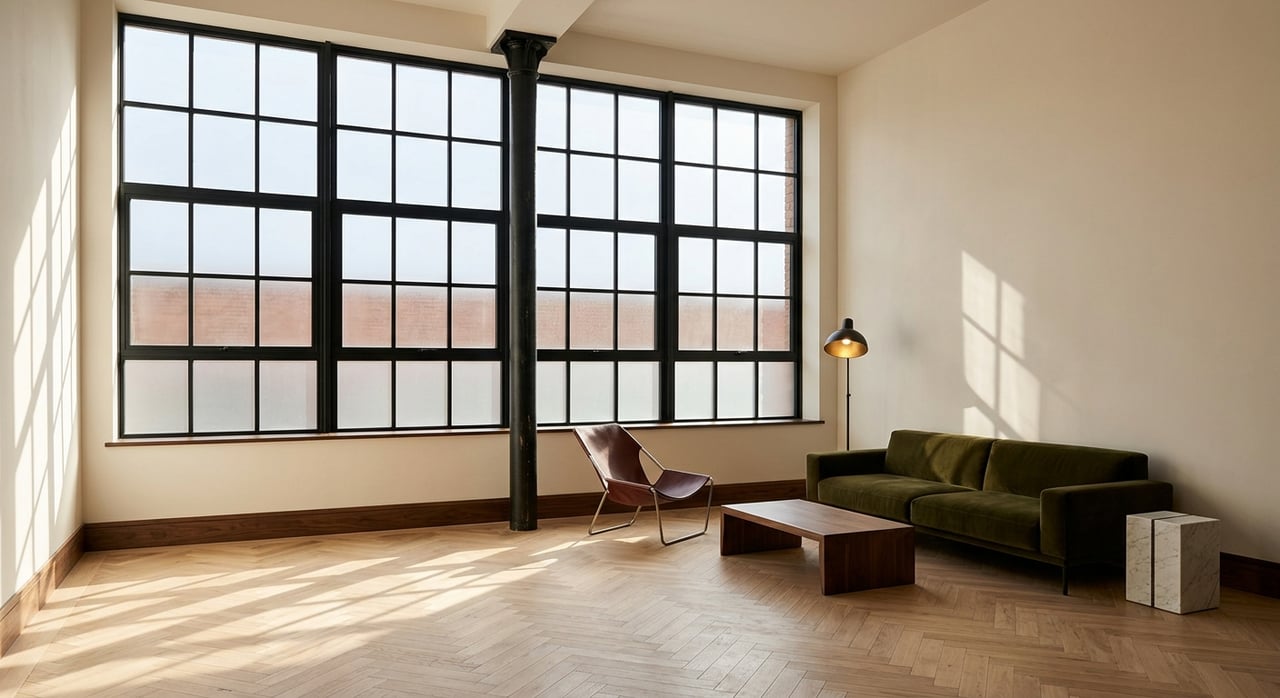
For buyers, that often translates into loft-style homes, adaptive reuse buildings, industrial proportions, and a more art-centered street presence. You may see larger windows, higher ceilings, flexible layouts, and building designs that feel rooted in the neighborhood’s warehouse past.
The art presence is not just historical. The ADAA 2025 Chelsea and Tribeca Gallery Walk featured 59 galleries across the two districts, which reflects the continuing scale and relevance of the Chelsea gallery scene.
What Daily Life May Feel Like
The gallery district tends to feel more inward-facing than the High Line corridor. Streets here are defined less by park landscaping and more by industrial facades, gallery entrances, and the rhythms of mixed commercial use.
That atmosphere can be a major plus if you want a home that feels tied to Chelsea’s creative identity. At the same time, because many buildings and blocks remain commercial or mixed-use, it is smart to look closely at what surrounds a specific unit, including whether it sits above a gallery, office, warehouse, or retail use.
Side-by-Side Home Comparison
Here is a simple way to think about the difference:
| Feature | High Line Corridor | Gallery District |
|---|---|---|
| Core identity | Park-adjacent residential zone | Arts-centered loft and industrial zone |
| Typical housing feel | Newer condos and mixed-use buildings | Converted lofts and adaptive reuse buildings |
| Streetscape | Public-facing, destination-oriented | Industrial, gallery-driven, more inward-facing |
| Buyer appeal | Amenities, newer construction, park access | Character, scale, loft feel, art immersion |
| Common tradeoff | More visitor activity and foot traffic | More mixed-use surroundings and service activity |
Which Buyers Often Prefer Each Area
The High Line corridor often appeals to buyers who want new construction, amenities, and easy access to outdoor space and cultural destinations. If your wish list includes a contemporary building, polished common areas, and a location that feels connected to some of West Chelsea’s biggest draws, this may be the stronger match.
The gallery district often appeals to buyers who want industrial character, loft-scale space, and a home that feels immersed in Chelsea’s arts ecosystem. If you value architecture with history and a more distinctive sense of place, this area may offer a better fit.
Neither option is universally better. The right choice depends on how you want your home to feel when you step outside and how much value you place on amenities, building age, layout style, and block-level activity.
Questions to Ask Before You Buy
No matter which micro-area you prefer, the smartest Chelsea buyers tend to focus on a few listing-level questions:
- What is the unit’s exposure, and how much light does it actually get?
- Is the home facing the park, a side street, or a commercial use?
- How much street noise or service activity should you expect?
- What amenities does the building offer, if any?
- Are there landmark or zoning considerations that may affect future changes or views?
- What kinds of uses sit directly next door, below, or across the street?
These questions matter because both micro-areas are shaped by Chelsea’s special zoning and landmark context. The West Chelsea zoning framework influences factors like light, views, and exterior alterations, which can affect both current enjoyment and long-term value.
Why Block-by-Block Analysis Matters
One of the biggest mistakes buyers make in Chelsea is assuming every home in the same broad area lives the same way. In reality, one High Line-facing condo can feel very different from another just a few blocks away, and one gallery district loft can have a very different experience depending on neighboring uses, elevator access, and building configuration.
That is why a block-by-block and building-by-building review matters so much here. In a neighborhood with this much zoning nuance, architectural variety, and mixed-use activity, the best choice usually comes down to specifics rather than labels.
If you are weighing Chelsea’s High Line corridor against the gallery district, the key is to match the home to your version of daily life. If you want help comparing buildings, reading the tradeoffs behind a listing, or narrowing your search in Manhattan, Darya Goldstein can help you approach the process with clear local insight and thoughtful guidance.
FAQs
What is the difference between Chelsea’s High Line corridor and gallery district homes?
- High Line corridor homes are generally associated with newer residential and mixed-use buildings near the park, while gallery district homes are more often tied to loft buildings, adaptive reuse, and Chelsea’s arts-centered industrial blocks.
Where is Chelsea’s gallery district located in Manhattan?
- Chelsea’s gallery district is generally west of Tenth Avenue and concentrated between West 18th and West 27th Streets, with especially strong gallery concentration between West 24th and West 26th Streets.
What are High Line corridor homes like in Chelsea?
- High Line corridor homes are typically associated with newer condos, contemporary design, amenity-rich buildings, and direct access to the High Line and nearby cultural destinations.
Are gallery district homes in Chelsea mostly lofts?
- Many homes in the gallery district are connected to former industrial and loft buildings, so buyers often find loft-style layouts, adaptive reuse architecture, and industrial character there.
What should buyers check before purchasing in West Chelsea?
- Buyers should review light and exposure, nearby building uses, street noise, service activity, amenities, and any zoning or landmark considerations that could affect the home or surrounding block.