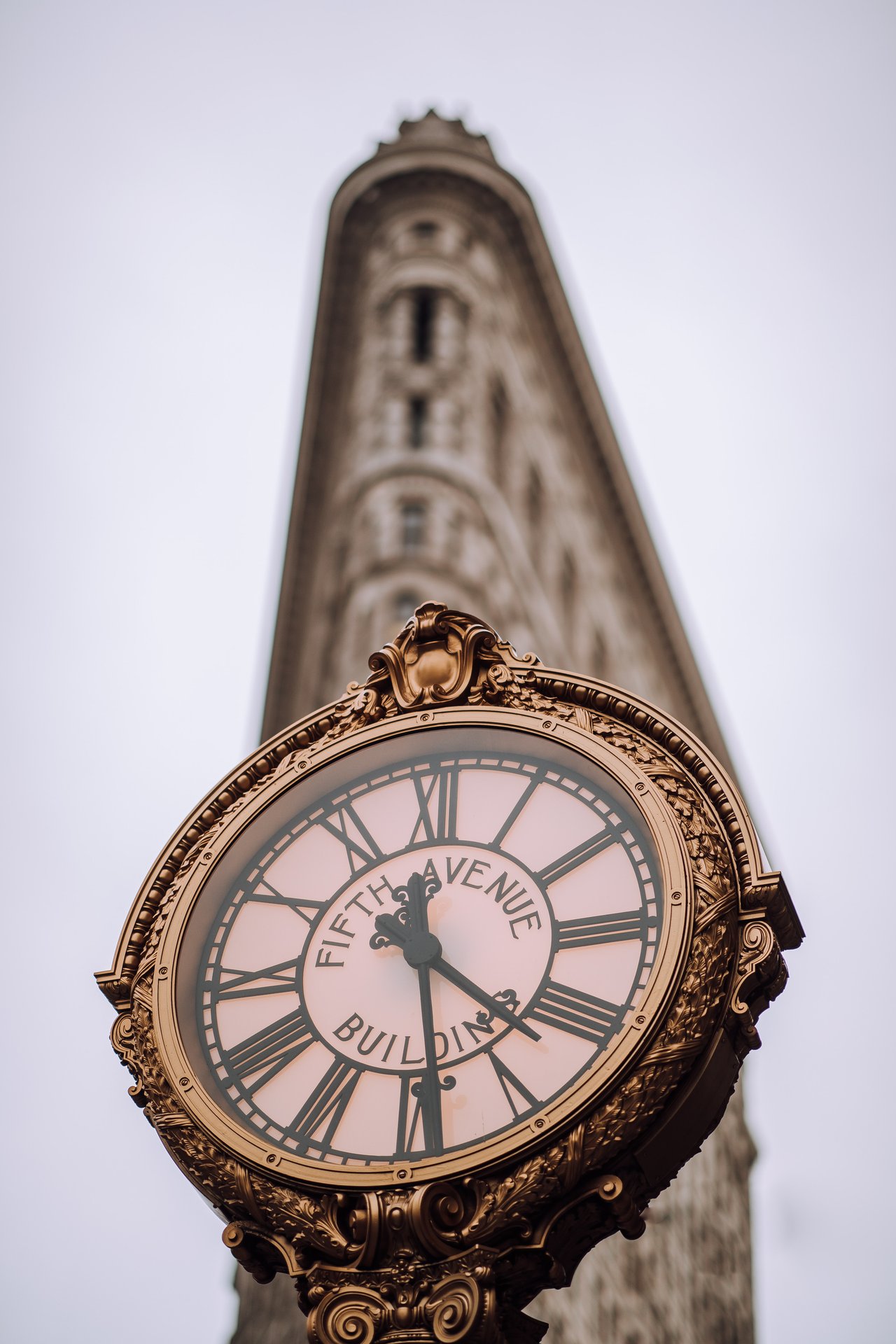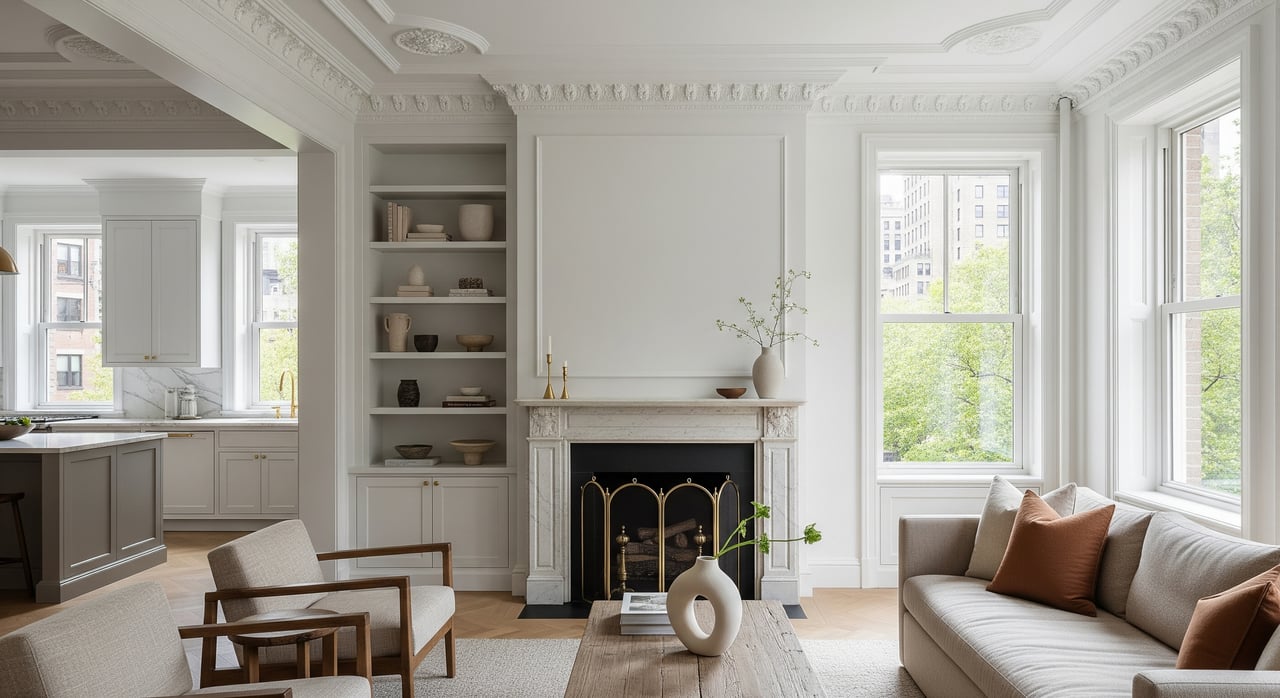
Wondering if Compass Concierge actually pays off in Gramercy–Flatiron? In a neighborhood where buyers expect turnkey and listings compete on presentation, smart prep can move the needle. You want clear numbers, a simple way to judge ROI, and local nuances that matter in co-ops and condos. This guide gives you practical cost ranges, an easy ROI framework, and a checklist tailored to Gramercy–Flatiron so you can decide with confidence. Let’s dive in.
What Compass Concierge covers
Compass Concierge advances funds for pre-sale improvements so you can list without paying upfront. You repay the costs at closing as part of your seller statement. Terms can vary by market and over time, so confirm current NYC details before you authorize work.
Commonly covered services include:
- Professional staging and styling
- Photography, virtual staging, and 3D tours
- Paint, lighting swaps, hardware, and handyman fixes
- Minor kitchen and bath refreshes that are cosmetic
- Flooring refinishing or limited replacement
- Decluttering, deep cleaning, and basic pre-list inspections
The program is designed for fast, cosmetic upgrades that elevate first impressions and speed to market.
Why ROI is different here
Gramercy–Flatiron has a mix of prewar co-ops, mid and high-rise condos, and a few townhouse conversions. Unit sizes often skew smaller, and many buyers are professionals or pied-à-terre purchasers. These buyers respond to strong photography and layouts that feel open and usable.
Turnkey condition tends to secure attention in this micro-market. Cosmetic work and high-impact staging can help your home stand out, especially for studios and one-bedrooms where small upgrades read large in photos and showings. Heavy structural renovations usually face more approvals and longer timelines, which can dilute returns.
Co-op boards can influence timing and scope. Expect requirements for contractor insurance, work hours, and approvals, even for light interior work. Condos and townhouses have different processes, but building management rules still shape scheduling, elevator use, and deliveries.
Typical costs and likely payoffs
NYC labor and logistics are real. Budget ranges in Gramercy–Flatiron commonly look like this:
- Professional photography and virtual tour: a few hundred to low thousands, depending on package.
- Staging: partial staging for a studio or one-bedroom often runs $2,000 to $8,000. Larger units can range from $8,000 to $30,000 or more based on size and duration.
- Cosmetic refresh, such as paint, lighting, and hardware: $2,000 to $15,000 depending on scope and unit size.
- Minor kitchen or bath updates that are cosmetic: $5,000 to $25,000 depending on materials and extent.
- Flooring refinishing or limited replacement in small units: $3,000 to $10,000, with larger spaces costing more.
Industry research and surveys consistently show that professional staging helps homes sell faster and can support stronger offers. Exact price impact varies by property, market timing, and comps. In Gramercy–Flatiron, where inventory for move-in-ready smaller units can be tight, targeted cosmetic work often has a higher chance of producing meaningful perceived value. Treat all ROI expectations as illustrative and market dependent.
A simple ROI framework
You can evaluate Concierge like any investment. Here is a straightforward way to model it:
- Gather baseline comps for your building or block in the last 30 to 90 days. Estimate your as-is price and current average days on market.
- Estimate improvement cost, labeled C. Use vendor quotes or Compass Concierge estimates.
- Estimate a conservative uplift percentage based on comps and agent input. Also note an optimistic scenario.
- Expected sale price equals baseline price times one plus the uplift percentage.
- Estimate carrying costs saved if time to contract shortens. Include mortgage, taxes, common charges, and utilities per month times the months saved.
- Net financial benefit equals price increase plus carrying-cost savings minus improvement cost.
- ROI equals net financial benefit divided by improvement cost, expressed as a percentage.
Example A, small 1BR condo (illustrative)
- Baseline as-is price: $1,000,000
- Improvement cost for staging, photos, and paint: $8,000
- Conservative uplift: 2 percent, equals $20,000
- Carrying-cost savings if 1 month faster: $2,000
- Net benefit: $20,000 plus $2,000 minus $8,000 equals $14,000
- ROI: $14,000 divided by $8,000 equals 175 percent
Example B, larger condo or townhouse (illustrative)
- Baseline price: $2,500,000
- Improvement cost for kitchen refresh, staging, and flooring: $60,000
- Conservative uplift: 3 percent, equals $75,000
- Carrying-cost savings if 2 months faster: $8,000
- Net benefit: $75,000 plus $8,000 minus $60,000 equals $23,000
- ROI: $23,000 divided by $60,000 is about 38 percent
Quick sensitivity check
Small changes in uplift can swing ROI. Consider three scenarios using the same costs as Example A:
- Low case, 1 percent uplift: Net benefit may be modest. ROI could still be positive if time saved offsets costs.
- Base case, 2 percent uplift: Strong percentage ROI on light spend, especially for smaller units.
- High case, 3 to 4 percent uplift: Excellent ROI, but ensure comps support the final price for financed buyers.
Constraints to plan for
Gramercy–Flatiron buildings run on rules. Plan for these factors so your timeline stays realistic.
- Co-op approvals and timing. Many co-ops require contractor insurance and work-hour limits. You may also need building and board approvals even for cosmetic upgrades.
- Permits and DOB work. Concierge is best for non-permit, cosmetic projects. Structural, electrical, and plumbing work can require permits and add time and cost.
- Building logistics. Elevator reservations, delivery windows, and building fees can affect staging setup and vendor access. Add buffer time.
- Market timing. Manhattan conditions can shift within a quarter. Use comps from the most recent 30 to 90 days and revisit pricing as you approach listing.
- Appraisal and financing. Staging can influence perceived value, but financed deals still rely on comps. Price strategy should anticipate appraisals.
- Duration and cash flow. You repay Concierge at closing. If a sale is delayed or falls through, you remain responsible for vendor costs under your agreement.
Projects that work well here
Focus on high-visibility upgrades that photograph beautifully and show well in smaller footprints.
- Full or partial staging to define spaces and improve scale in studios and one-bedrooms
- Fresh paint in a neutral, light-forward palette to brighten prewar layouts
- Lighting updates and hardware swaps that add a modern, cohesive look
- Minor kitchen and bath lifts, such as cabinet refacing, new countertops, and a clean backsplash
- Floor refinishing for uniform tone across living areas
- Decluttering, deep cleaning, and professional photography for crisp first impressions
These projects are fast and surgical. They help you compete against nearby listings without opening walls or triggering complex approvals.
When to skip or scale back
You do not need to do everything. Consider a lighter touch when:
- Comps show buyers accept your building and layout with a price adjustment
- Your co-op approval timeline would push listing beyond your ideal window
- Appraisal risk is high at the target price even with upgrades
- Larger renovations would require permits and delay launch
In these cases, target the lowest-cost, highest-visibility items. Sometimes staging and photography deliver most of the lift, while you price strategically for condition.
Your step-by-step game plan
Use this process to make a confident call for your Gramercy–Flatiron sale.
- Request a comp analysis for your building and block covering the last 3 months. Focus on units with similar condition and line.
- Get itemized Concierge quotes for staging, photos, paint, and any minor kitchen or bath refresh. Compare scope and duration.
- Confirm building rules and co-op requirements. Ask about contractor insurance, elevator reservations, and work hours.
- Review recent case studies with your agent for Manhattan or your neighborhood. Ask for before and after photos, scope, costs, and days on market.
- Run the ROI framework with low, base, and high uplift scenarios. Include carrying-cost savings if speed improves.
- Align timeline to the market. Choose the scope you can complete quickly without risking a missed window.
- Evaluate alternatives. Consider selling as-is, a price strategy, or a smaller upgrade set if ROI looks marginal.
What success looks like
A strong Concierge plan is focused and fast. You keep work cosmetic, showcase livability in photos, and position your listing to compete with the best nearby options. You also price in line with the most recent comps so buyers and appraisers can follow the logic.
The goal is to improve your net, not to remodel. In Gramercy–Flatiron, smaller, camera-ready improvements often produce the best percentage returns because they elevate presentation without adding permit risk or board delays.
If you want help mapping the right scope and timing, you can lean on local expertise and a vetted vendor network. You will get a realistic plan that balances cost, speed, and market impact.
Ready to explore what Compass Concierge could do for your home? Reach out to Darya Goldstein to talk through your comps, timeline, and a right-sized plan.
FAQs
What is Compass Concierge and how is it repaid?
- Compass Concierge advances funds for pre-sale services like staging, paint, and photography, and you typically repay at closing on your seller statement. Confirm current NYC terms.
Does Concierge cover major renovations in Gramercy–Flatiron?
- Concierge is best for cosmetic work. Structural, electrical, or plumbing changes that require permits are more complex and may fall outside typical scope.
Will my co-op allow staging and vendor access?
- Most buildings allow it with rules. Expect requirements for vendor insurance, scheduled elevator use, and set work hours. Coordinate approvals early.
How much does staging cost for a studio or 1BR here?
- Partial staging commonly ranges from about $2,000 to $8,000 depending on size, scope, and duration. Larger units can be $8,000 to $30,000 or more.
Can staging and photos alone deliver ROI in Gramercy–Flatiron?
- Often yes for smaller units. Staging and professional photography are lower-cost upgrades that can improve perceived value and speed to contract, though results vary by comps and pricing.