Some Manhattan neighborhoods impress you at first glance. The Upper West Side tends to win you over in the rhythm of daily life. If you are thinking about moving here, buying, renting, or selling, it helps to understand how the neighborhood actually feels from one weekday morning to the next. This is where the Upper West Side stands out, with residential blocks, major parks, busy local avenues, and easy transit all woven into a routine that feels practical and distinctly New York. Let’s dive in.
A Neighborhood Built for Everyday Life
The Upper West Side stretches from 59th to 110th Street between Central Park and the Hudson River. It is a long-established residential district, and that history still shapes how the neighborhood feels today.
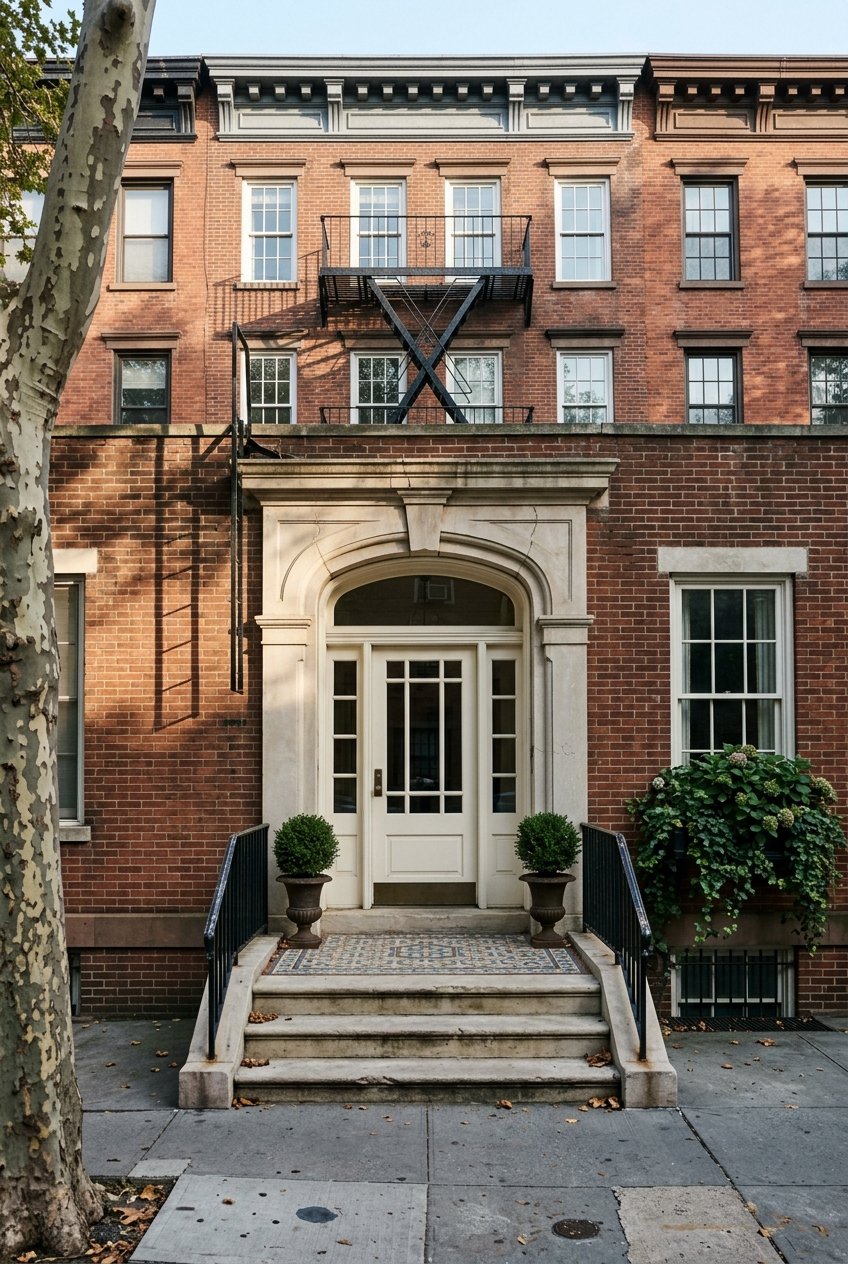
Rather than being defined by a wave of brand-new towers, the area reads as layered and lived-in. The Landmarks Preservation Commission notes that the neighborhood has the highest concentration of fine turn-of-the-century apartment buildings in New York City, including Beaux-Arts, Italian Renaissance, and neo-Gothic buildings, along with rowhouses and later apartment houses.
For you as a resident, that often translates into a streetscape with visual character and a strong sense of continuity. The architecture is not just something you admire on a walk. It helps set the tone for a neighborhood that feels residential, established, and connected to its past.
Why the Housing Stock Feels Distinct
The Upper West Side grew with transit. Development accelerated after the Ninth Avenue elevated rail line opened in 1879 and later expanded again with the Broadway subway, making apartment living on the West Side much more practical.
That history matters because it explains why the neighborhood works so well at a human scale. The blocks, buildings, and commercial corridors developed around the idea that people would move through the neighborhood on foot and by transit, not by car.
Parks Shape the Daily Routine
One of the biggest lifestyle advantages on the Upper West Side is that you are not relying on a single green space. You have two major park edges that support very different kinds of routines.
Central Park forms the eastern edge of the neighborhood from 59th to 110th Street. Official park materials highlight running loops, benches, lawns, and picnic areas, which is a useful reminder that for local residents, the park often functions as part of normal life rather than an occasional destination.
If your idea of neighborhood quality includes morning runs, casual walks, reading outside, or meeting friends on a lawn, Central Park can become part of your weekly rhythm. It is one of the reasons the Upper West Side often feels balanced even in the middle of Manhattan.
Riverside Park Adds a Second Outdoor Option
On the western side, Riverside Park gives the neighborhood a very different outdoor experience. NYC Parks says it runs four miles from 72nd to 158th Street along the Hudson River and includes scenic views, playgrounds, tennis courts, forest trails, and access to the Hudson River Greenway.
That mix supports a wide range of routines. Depending on your day, Riverside Park might mean a waterfront walk, a jog, a playground stop, time with your dog, or an easy weekend reset without leaving the neighborhood.
Having both Central Park and Riverside Park nearby is a major part of everyday living here. You are not choosing between city energy and outdoor access. On the Upper West Side, the two often exist side by side.
Errands Happen on the Main Avenues
The Upper West Side is easy to understand once you know where daily activity tends to cluster. According to city planning materials, Broadway, Amsterdam Avenue, and Columbus Avenue are the neighborhood’s main commercial corridors, serving the dense surrounding residential community.
That pattern shapes how errands feel. Instead of retail being spread evenly across every block, many day-to-day needs are concentrated on a few busy avenues, while the side streets stay more residential.
For residents, that can be a very appealing balance. You can step onto a main avenue for groceries, restaurants, services, or quick pickups, then turn back onto a quieter block that feels more distinctly residential.
Food Shopping Has a Strong Local Rhythm
The neighborhood’s food routine has both everyday staples and market culture built in. GrowNYC lists year-round greenmarkets at Tucker Square on Thursdays and Saturdays, 79th Street on Sundays, and 97th Street on Fridays.
That gives the Upper West Side a recurring weekly pattern that many residents build into their schedule. Whether you like to browse produce on the weekend or pick up ingredients on a weekday, these markets help reinforce the neighborhood feel.
There are also long-running local fixtures that become part of daily life. Zabar’s at 2245 Broadway and 80th Street is open 365 days a year, which says a lot about how embedded it is in Upper West Side routines.
Culture Feels Close, Not Occasional
The Upper West Side has major cultural institutions, but one of the neighborhood’s strengths is that they do not feel disconnected from everyday life. They are part of the same streets and transit patterns residents already use.
Lincoln Center is one of the area’s biggest anchors. Its campus sits between 62nd and 65th Streets and Columbus and Amsterdam, and it is home to 11 resident arts organizations. Its David Rubenstein Atrium also offers free public events.
That means culture here can be as formal or as flexible as you want it to be. One evening might involve a planned performance, while another could be a more spontaneous stop tied to what is happening nearby.
Museums and Local Programming Add Depth
The American Museum of Natural History sits at Central Park West and 79th Street, with entrances at Central Park West, 81st Street, and Columbus Avenue. It also has clear subway and bus access, which makes it easy to fold into a normal day.
Farther north, Symphony Space at 95th and Broadway adds another layer with theater, film, literature, music, dance, and family programming. Together, these institutions create a neighborhood where cultural options feel close at hand rather than reserved for special occasions.
Getting Around Is One of the Biggest Advantages
For many buyers and renters, transit access is not just a convenience. It is part of what makes a neighborhood livable over time. On the Upper West Side, that is one of the clearest strengths.
MTA line maps show the 1 train stopping at 66th, 72nd, 79th, 86th, and 96th Streets. The B and C run along Central Park West at 72nd, 81st, 86th, and 96th Streets, and Columbus Circle adds the A, B, C, and D connection at 59th Street.
That gives you strong north-south movement across the neighborhood and beyond. In practical terms, many residents use the subway for longer up-and-down Manhattan trips and rely on buses for crosstown movement.
Buses Fill in the Gaps
The M72, M79-SBS, M86-SBS, M96, and M104 help connect east-west trips and local errands. If you are going across the park, heading to another part of Manhattan, or trying to avoid a longer walk, these routes make a real difference.
This is part of why the neighborhood feels functional without being car-dependent. Transit is not an afterthought here. It is built into the way the Upper West Side works.
What Daily Life Often Feels Like
When you step back, the Upper West Side lifestyle comes into focus pretty clearly. You have residential blocks with notable prewar architecture, two major parks that support different routines, busy commercial avenues for errands and meals, and cultural institutions that are easy to access.
That combination gives the neighborhood a sense of steadiness. You can have a full week here that includes commuting, grocery runs, outdoor time, dining, and cultural stops without needing to leave the area for the basics.
For buyers, renters, and sellers alike, that is the real story behind the Upper West Side. It is not just visually appealing or well known. It is a neighborhood that supports everyday living in a way that feels both practical and personal.
Why This Matters in Real Estate
Lifestyle is often the deciding factor in Manhattan real estate. Floor plans, finishes, and building details matter, but so does the way your day will actually unfold once you move in.
On the Upper West Side, the lifestyle story is unusually clear. The neighborhood offers established housing stock, strong transit, recognizable commercial corridors, and easy access to outdoor space and culture. That can make it easier to picture your day-to-day life here, whether you are searching for your next home, preparing a property for sale, or comparing one Manhattan neighborhood to another.
If you are thinking about buying, selling, or renting on the Upper West Side, working with someone who understands these micro-patterns can help you make a more confident decision. Everyday living is not just a nice idea. It is often what drives long-term satisfaction with a home.
If you are exploring a move on the Upper West Side or preparing to sell, Darya Goldstein can help you navigate the neighborhood with local insight, thoughtful guidance, and a high-touch approach tailored to your goals.
FAQs
What is everyday life like on the Upper West Side?
- Everyday life on the Upper West Side often revolves around residential side streets, errands on Broadway, Amsterdam, and Columbus, regular access to Central Park or Riverside Park, and strong subway and bus connections.
What parks serve the Upper West Side neighborhood?
- The two major parks tied closely to Upper West Side daily life are Central Park on the east side and Riverside Park along the Hudson River on the west side.
What avenues are the main shopping and errand corridors on the Upper West Side?
- City planning materials identify Broadway, Amsterdam Avenue, and Columbus Avenue as the neighborhood’s main commercial corridors for restaurants, shops, and local services.
What cultural institutions are located on the Upper West Side?
- Key Upper West Side cultural anchors include Lincoln Center, the American Museum of Natural History, and Symphony Space.
How do most people get around the Upper West Side?
- Many residents use the subway for north-south travel, especially the 1, B, and C lines, while crosstown buses like the M72, M79-SBS, M86-SBS, and M96 help with east-west trips.
Why is the Upper West Side popular with Manhattan movers?
- The neighborhood combines established residential housing, major parks, active local shopping corridors, cultural institutions, and practical transit access in a way that supports daily life without feeling car-dependent.