If your Upper West Side apartment shows a little dated, you are not alone. Many sellers here own beautiful prewar co-ops, condos, and high-rise homes that have great bones but need thoughtful presentation before they hit the market. The good news is that you may not need a full renovation to make a strong impression. With the right strategy, Compass Concierge can help you tackle select pre-listing improvements, improve how your home is perceived, and bring your listing to market in a more polished way. Let’s dive in.
Why Compass Concierge matters on the Upper West Side
On the Upper West Side, housing stock spans condos, co-ops, high-rises, townhouses, and many large prewar apartment buildings. That matters because buyers often notice condition, layout flow, storage, and overall presentation right away, especially in older homes where finishes can feel less current.
In a neighborhood where prices vary widely, presentation can shape first impressions in a big way. StreetEasy lists a median sale price of $1.2M for the Upper West Side, and it has also reported a median asking price of $1.8M in March 2026. Those figures measure different things, but together they reinforce an important point: this is a high-value market where thoughtful preparation can matter.
What Compass Concierge actually does
Compass Concierge is a listing-side program available to sellers who list with Compass. It fronts approved home improvement and pre-market costs so you do not have to pay those expenses upfront.
Compass states that repayment is generally due when your home sells, when the listing agreement ends, or after 12 months, whichever comes first. Compass also notes that Concierge capital loans are provided by Notable Finance, that Compass is not the lender, and that fees or interest may apply depending on your state of residence and market terms.
That means Compass Concierge is best understood as a financing and coordination tool, not a blanket promise of free upgrades. It can help you make strategic improvements before listing, but the exact terms matter and should be reviewed carefully.
Why selective prep works here
Upper West Side sellers often do not need to gut renovate to improve marketability. In many cases, the issue is not structure. It is how the home reads in photos, showings, and early buyer feedback.
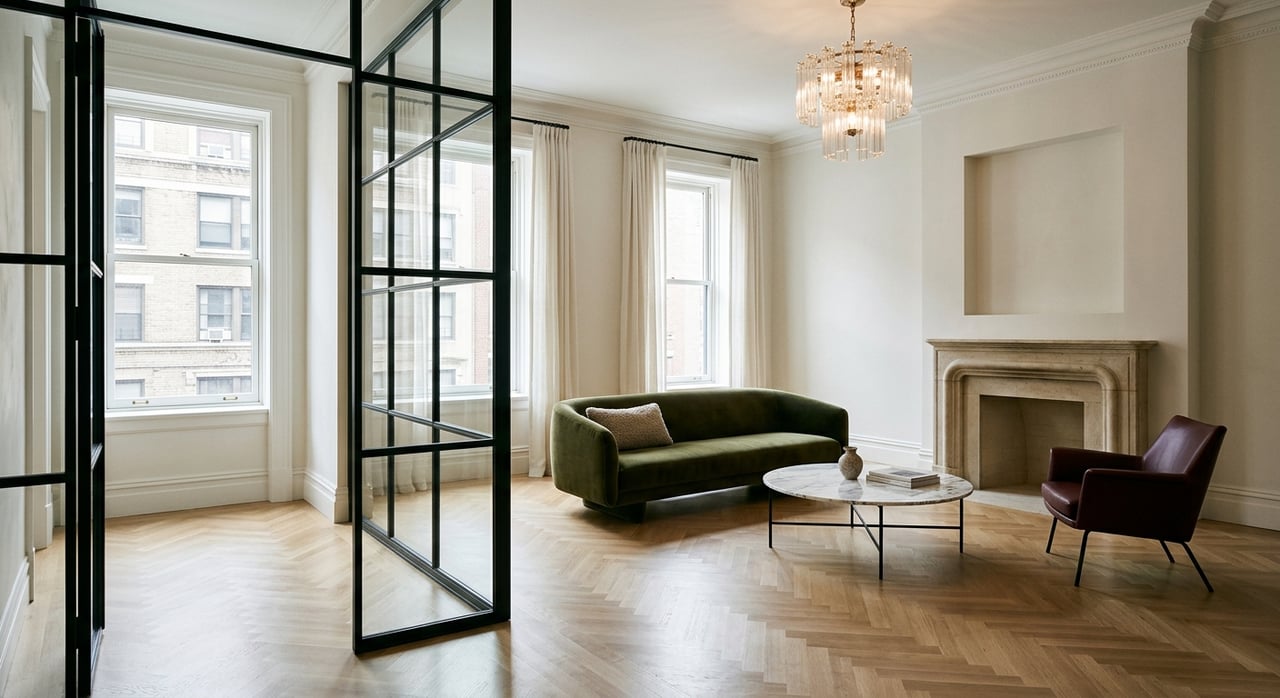
A dated paint color, bulky furniture, worn floors, visual clutter, or an overfilled closet can make a home feel smaller or less inviting. In prewar apartments and older buildings, even light-touch changes can help buyers focus on ceiling height, layout, natural light, and architectural detail instead of distractions.
This is where selective prep tends to outperform over-improvement. Instead of spending heavily on work that may not add value, you can focus on updates that improve presentation and support a cleaner, stronger launch.
High-impact updates for UWS listings
Compass Concierge covers a wide range of seller-prep services that align well with what many Upper West Side homes actually need before listing. For this market, the most useful projects are often cosmetic and presentation-driven.
Staging and furniture editing
Staging can help buyers understand how a space lives. According to the National Association of Realtors' 2025 Profile of Home Staging, 83% of buyers' agents said staging makes it easier for buyers to visualize a property as their future home.
That matters on the Upper West Side, where some rooms may feel compact or irregularly shaped. Editing furniture, simplifying layouts, and staging key spaces like the living room, primary bedroom, dining room, and kitchen can make the home feel more open and functional.
Decluttering and storage support
Clutter can hide the strengths of an apartment. In homes where storage is already a common concern, too many visible items can make closets, entryways, and living areas feel tighter than they are.
Compass Concierge can cover moving and storage, along with decluttering support. That gives you a practical way to simplify the apartment before photography and showings without taking on all the logistics yourself.
Deep cleaning and polish
Cleanliness sounds basic, but it has a major effect on how a home is perceived. A professionally cleaned apartment feels cared for, brighter, and more move-in ready.
Common prep recommendations from NAR include cleaning the entire home, depersonalizing, and handling minor repairs. For Upper West Side sellers, this kind of polish can be especially effective in kitchens, baths, windowed rooms, and entry spaces where buyers tend to form quick impressions.
Paint touch-ups and neutral finishes
Fresh paint is one of the simplest ways to refresh a home. Neutral walls can help architectural details stand out and can make rooms feel lighter and more spacious.
For older apartments, paint can also soften signs of wear without changing the character of the home. Rather than reinventing the property, this kind of update helps buyers focus on the parts of the apartment that matter most.
Minor floor repair and cosmetic refreshes
Floors carry a lot of visual weight in Manhattan apartments. If hardwood has scratches or isolated damage, light repair can improve the overall feel of the home without a major project.
Compass Concierge also covers cosmetic renovations and kitchen and bathroom improvements. On the Upper West Side, selective updates in these areas may help if they address obvious wear or dated details, but they should be weighed carefully against time, building rules, and likely buyer expectations.
The marketing advantage of better timing
Compass frames Concierge as part of a broader pre-market strategy, not just a funding source. Sellers can begin as a Private Exclusive, then move to Coming Soon as work nears completion, and then launch publicly once the property is ready.
This sequence can be especially useful if you want to build interest while avoiding unnecessary public days on market too early. It allows the preparation process to support the marketing plan rather than interrupt it.
For Upper West Side listings, that can create a more controlled rollout. Instead of going live before the apartment is fully ready, you can align prep, photography, and launch timing in a way that strengthens the listing's first impression.
What sellers should keep in mind
Compass Concierge can be valuable, but it is not one-size-fits-all. The best results usually come from choosing only the work that is likely to improve presentation and buyer perception.
Compass does not guarantee a specific outcome, and the program should not be framed as a promise of a certain sale price. It is better understood as a way to improve marketability through focused, practical preparation.
If you own in a co-op or condo, building rules also matter. Before starting any work, it is wise to confirm whether approvals, scheduling restrictions, or other building-level requirements could affect what is realistic.
How Darya Goldstein approaches Concierge strategy
On the Upper West Side, smart prep is often less about doing more and more about doing the right things in the right order. That is where a local, hands-on strategy can make a real difference.
Darya Goldstein helps sellers evaluate what is worth doing, what is not, and how to sequence preparation with Compass marketing tools. That includes identifying cosmetic improvements that can strengthen presentation, coordinating pre-listing work, and avoiding unnecessary over-improvement in a market where nuance matters.
Because Darya focuses on Manhattan with a strong emphasis on the Upper West Side, her approach is grounded in how buyers respond to this neighborhood's housing stock. For sellers, that means a more tailored plan, backed by Compass resources and team support, rather than a generic pre-sale checklist.
The bottom line for Upper West Side sellers
If your apartment could benefit from light updates, decluttering, staging, or a more polished launch, Compass Concierge may offer a practical path forward. It can help you address the details that shape buyer perception without paying approved costs upfront at the start.
In a neighborhood filled with prewar charm, varied price points, and homes where presentation often influences momentum, selective prep can go a long way. The key is choosing improvements that support how your property will be seen, photographed, and experienced from day one.
If you are thinking about selling on the Upper West Side and want a smart plan for pre-listing improvements, Darya Goldstein can help you decide what is worth doing and how to bring your home to market with confidence.
FAQs
What is Compass Concierge for Upper West Side sellers?
- Compass Concierge is a program for sellers listing with Compass that fronts approved pre-listing improvement costs, with repayment generally due when the home sells, the listing agreement ends, or after 12 months, depending on the terms.
What kinds of Compass Concierge updates make sense on the Upper West Side?
- For many Upper West Side listings, the most relevant updates are light cosmetic improvements such as staging, decluttering, deep cleaning, paint touch-ups, storage support, minor floor repair, and selective kitchen or bath refreshes.
Does Compass Concierge mean I get free home improvements?
- No. Compass states that repayment is required under the loan agreement, and fees or interest may apply depending on your state and market terms.
Why is staging helpful for Upper West Side apartments?
- Staging can help buyers picture how a space works, which is especially useful in older apartments where layouts, room sizes, or storage limitations may need clearer visual context.
Should co-op and condo owners on the Upper West Side check building rules before using Compass Concierge?
- Yes. If your home is in a co-op or condo, building approvals or work rules may affect what projects are practical before listing.