Can one neighborhood offer leafy stoops, landmark lofts, and a lunch scene that hums every weekday? In Gramercy–Flatiron, you feel that contrast within a few blocks. If you’re weighing a move, you want to know how the architecture, parks, dining, and commute will shape your routine. This guide gives you a clear, street‑level picture so you can decide if this pocket of Manhattan fits your life. Let’s dive in.
Where it sits and feels
You’re in the mid‑island sweet spot, roughly from 14th Street to the high 20s, with Madison Square Park and the Flatiron Building to the west and Gramercy Park to the east. It is highly walkable, with quiet, residential blocks next to lively corridors along Broadway, Fifth Avenue, and 23rd Street. The area mixes homes, offices, hotels, and retail, which creates an all‑day rhythm. For neighborhood context and district happenings, the Flatiron NoMad Partnership is a solid local resource.
Architecture, block by block
The architecture is your first filter for daily life. You can choose the calm of prewar townhouses or the energy of cast‑iron loft corridors.
Gramercy near the park
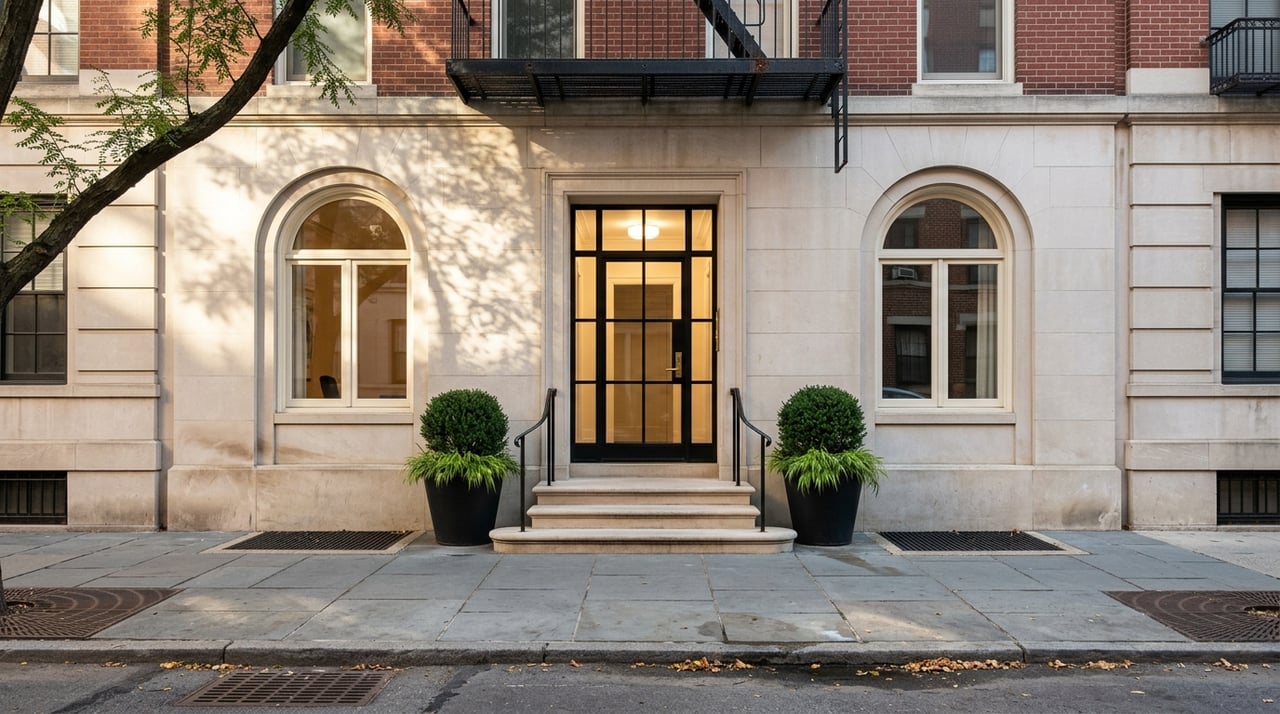
Directly around Gramercy Park, you see 19th‑century Greek Revival and Italianate townhouses, stoops, and classic prewar co‑ops. These landmarked blocks are part of the Gramercy Park Historic District. The Gramercy Park Historic District designation report details the facades, cornices, and building eras you notice on East 19th to 21st Streets. Life here feels hushed and residential, with doormen, tree canopy, and morning light on brownstone stoops.
Flatiron and Ladies’ Mile
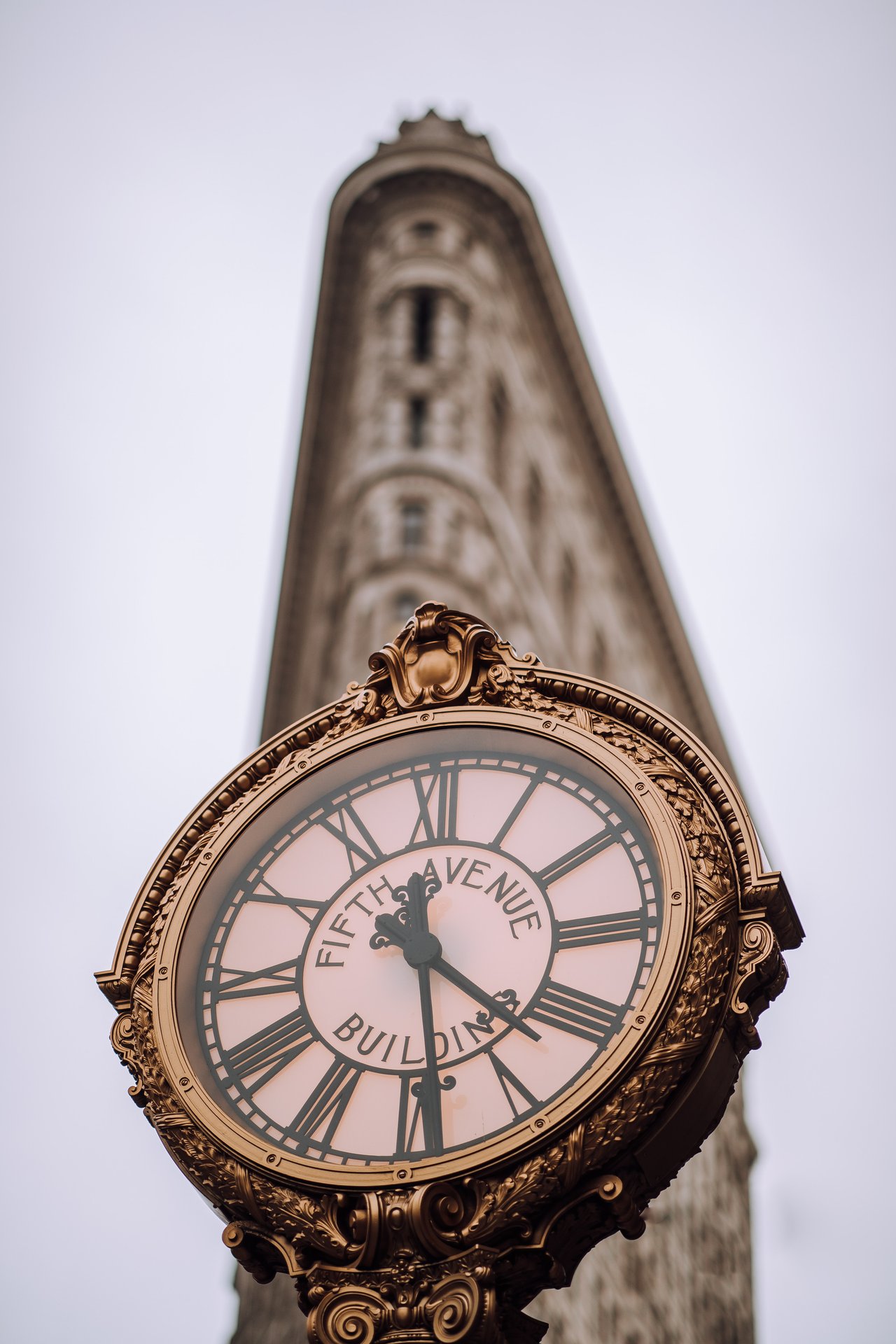
West toward Fifth Avenue, Broadway, and 23rd Street, you step into the city’s former department‑store spine. Think broad floorplates, cast‑iron columns, and Beaux‑Arts facades that now house creative offices, retail, and loft‑style condos. For the historic context of these buildings, the Ladies’ Mile Historic District materials explain how the commercial past shaped today’s streetscape. The Flatiron Building’s triangular profile at 23rd and Fifth is the district’s icon and a constant magnet for photos.
Parks and public life
Green space sets the pace here, from private calm to a public plaza that draws the whole city.
Private Gramercy Park
Gramercy Park is famously private. Access is limited to keyholders from the buildings that ring the square, with rules for guests and member institutions. That exclusivity shapes the quiet on the surrounding blocks, where you might pass the wrought‑iron fence on a morning walk. Architectural details and key policies are outlined in the Gramercy Park Historic District designation report.
Madison Square Park
Madison Square Park is Flatiron’s living room. You’ll find rotating public art, seasonal programming, and the original Shake Shack kiosk with lunchtime lines that signal warmer weather. The Madison Square Park Conservancy posts current installations and events that give the plaza its steady buzz.
Union Square Greenmarket
A short walk south, Union Square becomes your pantry. The Union Square Greenmarket schedule covers multiple weekdays and Saturdays, with regional produce, baked goods, and cheeses. It is a natural weekend ritual and an easy weekday lunch detour.
Dining and café culture
This pocket rewards you with anchors for special occasions and countless casual options for everyday life.
Anchors to know
- Gramercy Tavern. A neighborhood institution for refined American dining and a bar room that suits any celebration. Check menus and hours at Gramercy Tavern.
- Eataly NYC Flatiron. A one‑stop Italian food hall for pasta, espresso, and groceries, steps from the park. See restaurants and marketplace details at Eataly NYC Flatiron.
- Shake Shack kiosk. The original kiosk sits in Madison Square Park. On a sunny day, you’ll spot lines and park benches filled with lunch crowds.
Everyday cafés and markets
You’ll find all‑day cafés along 20th to 23rd Streets and the Broadway and Fifth Avenue corridors, where remote workers camp at small tables and meet over espresso. Quieter corner cafés dot the residential blocks near Gramercy Park. For groceries, the Union Square Greenmarket pairs well with nearby supermarkets like Whole Foods at 4 Union Square South. Many residents do a weekly market run, then fill in with quick trips during the week.
Commute and connectivity
A major strength here is transit redundancy. You have multiple subway lines within a quick walk, plus PATH to New Jersey.
Subways and PATH
- Union Square is a key hub with the 4, 5, 6, L, N, Q, R, and W. You can preview art and station notes through the Union Square station’s lines.
- On 23rd Street, local stops include the 6 on Lexington Avenue and the N, R, W on Broadway. The F and M run under Sixth Avenue at 23rd Street, with an adjoining PATH entrance nearby.
- If you work across the river, PATH’s 23rd Street connection on Sixth Avenue links you directly to Hoboken and Jersey City.
Bikes and buses
Citi Bike docks are frequent, and the M23 SBS offers reliable crosstown service. With most errands reachable on foot, many days you’ll skip transit entirely.
Housing and trade‑offs
You have a wide mix: prewar co‑ops, loft condos, and boutique new developments. Your choice will shape both your daily feel and your closing process.
Product types you’ll see
- Prewar co‑ops near Gramercy Park. Classic layouts, quieter streets, and often lower price per square foot than new condos in exchange for co‑op board reviews and rules.
- Loft‑style condos in Flatiron and NoMad. Larger floorplates, high ceilings, and modern finishes. Expect higher common charges and taxes, plus amenities that add convenience and cost.
- Boutique new development. Smaller buildings with curated finishes and elevator access, often between the park blocks and the Broadway corridor.
For borough‑level context on medians and trends, see Douglas Elliman’s Manhattan Q4 2025 market report. It is a good reference when you want to gauge pricing tiers before you dive into active listings.
What to weigh
- Lifestyle fit. Do you want the calm of a landmarked block or the energy of a loft corridor near the park and Broadway?
- Budget vs amenities. Prewar co‑ops can trade at lower per‑square‑foot prices but add board requirements. Newer condos bring amenities with higher monthly costs.
- Commute and routines. If PATH access or subway transfers matter, map your daily walk to 14th Street or 23rd Street stations.
Three daily routines
Stories help you picture how you will live here. Try these quick scenes.
Quiet Gramercy morning
You wake to soft light on a tree‑lined block east of Gramercy Park. After a quick hello with the doorman, you grab a coffee at a corner café and pass the park’s wrought‑iron fence. It is peaceful, even at rush hour, and you reach your desk on foot in under 10 minutes. On weekends, you linger on a stoop or head to Union Square for market shopping.
Flatiron lunch hour
By noon, Madison Square Park is alive with office crowds and camera‑ready views of the Flatiron. You meet a colleague for pasta at Eataly, then take a loop through the park’s latest art installation. On a sunny day, you eat outside and people‑watch. After work, you head a few blocks east for a quieter glass of wine on Irving Place.
Evening on Irving Place
You walk south from Gramercy Park to a bistro on Irving Place for dinner. Afterward, it is a quick stroll to Union Square to stock up on farm‑fresh produce. If you need to cross town, the M23 SBS gets you west in minutes. You end the night on a calm, tree‑lined street that feels a world away from Midtown.
Ready to explore?
If Gramercy–Flatiron sounds like your pace, let’s talk next steps. Whether you are buying, selling, or renting, you deserve a plan tailored to your routines and goals. With neighborhood insight and Compass resources, you can move with confidence and clarity. Connect with Darya Goldstein to map your options and tour the right homes.
FAQs
What is Gramercy–Flatiron known for?
- A blend of quiet, landmarked blocks near Gramercy Park and lively commercial corridors around Madison Square Park, with cast‑iron architecture and an everyday café culture.
How private is Gramercy Park and who gets a key?
- Access is limited to keyholders from buildings around the square, plus a few member institutions; the surrounding blocks feel especially calm due to that privacy.
What are the main commute options from Gramercy–Flatiron?
- You can reach the 4, 5, 6, L, N, Q, R, and W at Union Square, several 23rd Street stations for the 6, N, R, W, F, and M, and a PATH connection on Sixth Avenue to Hoboken and Jersey City.
Where do locals shop for groceries near Gramercy–Flatiron?
- The Union Square Greenmarket anchors many weekly routines, paired with nearby supermarkets like Whole Foods at 4 Union Square South for everyday staples.
What housing types will I find in Gramercy–Flatiron?
- Prewar co‑ops near the park, loft‑style condos and converted buildings around Flatiron and NoMad, and boutique new developments that balance modern finishes with smaller scales.