Are you drawn to the idea of soaring ceilings, oversized windows, and an apartment that feels more like a canvas than a box? If you are considering loft living in Chelsea, you are probably looking for more than square footage alone. You want to understand how the neighborhood’s architecture shapes daily life, what tradeoffs come with that open layout, and what to verify before you buy. Let’s dive in.
Chelsea lofts are not all the same
Chelsea has a layered housing story, and that matters when you start your search. Manhattan Community District 4 includes a mix of building types, with the Chelsea Historic District, older industrial blocks in West Chelsea, and the High Line and Hudson River Park shaping the neighborhood’s western edge.
That means “Chelsea loft” can describe more than one kind of home. Some are classic industrial conversions in older warehouse buildings, while others are newer loft-style residences shaped by the neighborhood’s planning and design framework.
What defines a classic Chelsea loft
The classic Chelsea loft feel comes from West Chelsea’s industrial past. The West Chelsea Historic District designation report highlights brick facades, rhythmically placed window openings, steel building frames, terra-cotta tile floors, reinforced concrete, and warehouse-based design.
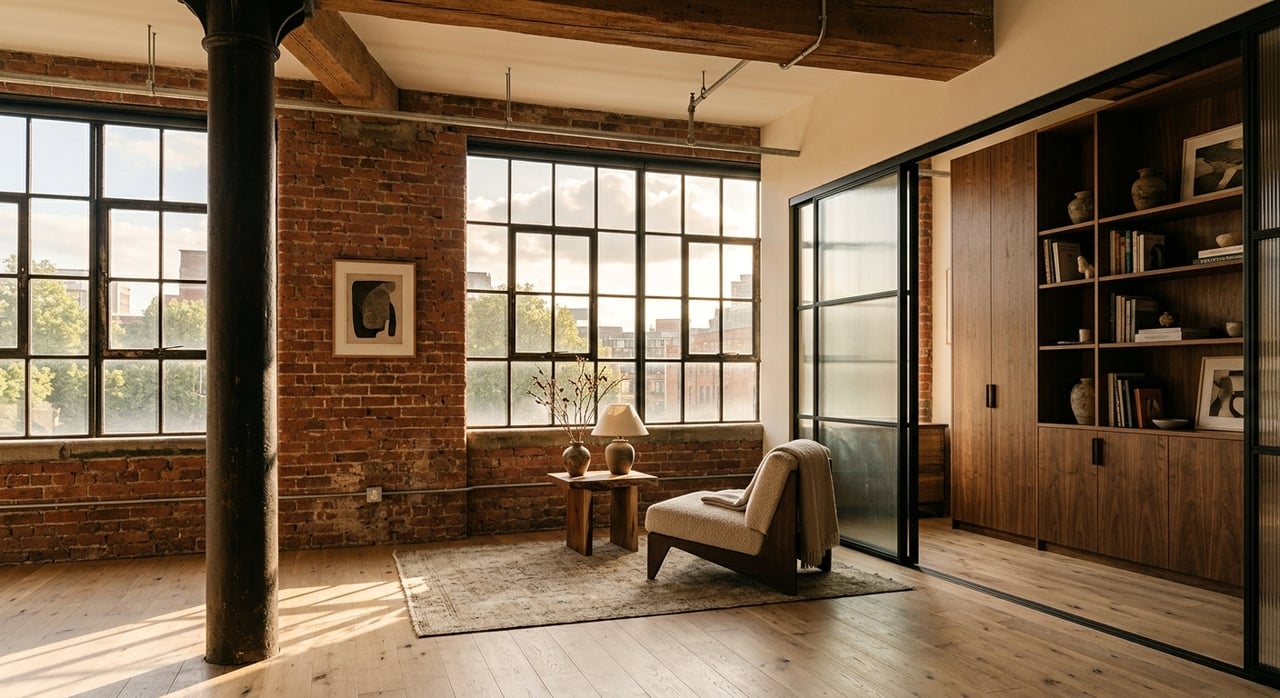
Inside, the features that buyers tend to notice first are scale and flexibility. Many of these older industrial buildings were built with open floor plates, ceiling heights around 13 feet, and eight-foot operating windows, creating the dramatic volume that loft buyers often love.
Why the architecture feels so different
A conventional apartment usually divides life into separate rooms. A loft often does the opposite by giving you one large adaptable interior that can be arranged in different ways.
That architectural difference affects how the home feels every day. You may get stronger natural light, more visual openness, and more freedom to live, work, or display art in the same space.
How Chelsea’s architecture shapes lifestyle
Loft living in Chelsea is as much about experience as it is about design. The combination of large windows and open layouts often creates bright daytime interiors and a sense of visual calm that many buyers find hard to match in more compartmentalized apartments.
If you work from home, entertain often, or want room for creative use, that flexibility can be a major advantage. A loft can give you the freedom to create distinct zones without losing the overall openness that defines the style.
Light matters more than you may expect
In Chelsea, light is a big part of the loft conversation. The planning framework around the High Line specifically aims to preserve light and air, and the industrial buildings that define West Chelsea were valued in part for their large expanses of glazing.
If natural light is high on your list, pay close attention to floor level, window condition, and the surrounding buildings. In a loft, those details can have an outsized impact on how the apartment feels from morning through evening.
Open space comes with tradeoffs
The same openness that makes a loft feel expansive can also make daily routines more complicated. When sleeping, working, dining, and relaxing share one broad footprint, privacy can take more planning.
Storage can also require more intention than in a traditional apartment. Built-ins, room dividers, and acoustic treatments are often practical upgrades for buyers who want to keep the loft look while making the space work better for everyday life.
Contemporary loft-style living in Chelsea
Not every Chelsea loft is a former warehouse. Some newer homes deliver loft-inspired scale and openness while fitting into the neighborhood’s more recent planning goals.
The Special West Chelsea District was created with several clear objectives, including encouraging residential uses on appropriate streets, supporting arts-related uses, facilitating the reuse of the High Line as public open space, ensuring new buildings relate to neighborhood character, and creating a transition to the lower-scale Chelsea Historic District.
Why zoning matters to buyers
Zoning may sound technical, but it shapes what you see and how a block feels. In West Chelsea, the framework is intended to support neighborhood character while also protecting light and air in key areas.
For buyers, that can influence future expectations around massing, openness, and the relationship between older industrial buildings and newer residential development. It is one reason Chelsea offers such a distinct blend of history and modern city living.
What to verify before buying a Chelsea loft
Chelsea lofts can be exciting, but they also deserve careful due diligence. Before you fall in love with exposed brick and oversized windows, make sure the fundamentals are clear.
A smart first step is confirming whether the unit is a legal residential apartment. The New York City Loft Board notes that the Loft Law applies to certain former commercial, manufacturing, or warehousing buildings that do not have a residential certificate of occupancy and that meet the law’s coverage criteria.
Key questions to ask
Before you move forward, it helps to verify:
- Whether the unit has legal residential status
- The current certificate of occupancy
- Whether the building is covered by the Loft Law
- Whether the property is landmarked or located in a historic district
- How renovation plans may affect original loft features
These details are especially important in a neighborhood where so much of the housing appeal comes from older industrial architecture.
Renovation may require approvals
If a building is designated or located within a historic district, the Landmarks Preservation Commission must approve alterations, reconstruction, demolition, or new construction that affects the designated property. That can influence everything from window work to exterior changes.
For buyers who want to customize a loft, this is not necessarily a negative. It simply means your renovation goals should be evaluated early, with a clear understanding of what can be preserved, changed, or added.
Chelsea’s arts and waterfront lifestyle
Part of loft living in Chelsea happens outside your front door. The neighborhood’s identity has long been tied to arts-related uses, and West Chelsea is widely associated with galleries and creative businesses.
That local character supports a lifestyle many buyers find appealing. You get a setting that blends industrial architecture, contemporary culture, and a strong connection to public open space.
Hudson River Park expands daily living
Chelsea’s section of Hudson River Park adds another layer to the lifestyle. Nearby amenities include Chelsea Piers, Chelsea Waterside Park, athletic fields, a playground, a dog park, and large lawns.
For loft residents, that means your living space is not limited to the apartment itself. Waterfront recreation, open sky, and outdoor activity can become a regular part of your routine.
Who loft living tends to suit best
Chelsea lofts often appeal most to buyers who value large adaptable rooms, strong natural light, and proximity to parks and arts amenities. If you like open design and want a home that feels flexible, a loft can be a compelling fit.
If you prefer many enclosed rooms, maximum built-in storage, or a more conventional layout, you may want to compare lofts with other Chelsea housing options. In many cases, the right answer comes down to how you actually live day to day.
How to evaluate a Chelsea loft with confidence
The best Chelsea loft purchases usually balance emotion with practicality. It is easy to respond to ceiling height, light, and architectural character, but the most satisfying decisions also account for legal status, renovation constraints, and how the layout supports your routine.
If you are weighing classic industrial charm against newer loft-style convenience, it helps to look beyond the listing photos. A trusted local advisor can help you compare building history, planning context, and lifestyle fit so you can move forward with clarity.
Chelsea loft living can be striking, flexible, and deeply connected to the neighborhood’s architecture. If you are thinking about buying, selling, or renting in Manhattan and want grounded guidance on how a property fits your goals, Darya Goldstein is here to help.
FAQs
What makes a Chelsea loft different from a standard apartment?
- A Chelsea loft often features open floor plates, high ceilings, and oversized windows, especially in former industrial buildings in West Chelsea.
Are all Chelsea lofts in former warehouse buildings?
- No. Some are classic industrial conversions, while others are newer loft-style residences within Chelsea’s broader planning and design framework.
What should you verify before buying a Chelsea loft?
- You should confirm legal residential status, the certificate of occupancy, whether the building falls under the Loft Law, and whether landmark or historic district rules apply.
Can you renovate a loft freely in Chelsea?
- Not always. In designated buildings or historic districts, certain changes require approval from the Landmarks Preservation Commission, and some buildings may also involve Loft Law considerations.
Why is natural light such a big factor in Chelsea lofts?
- Natural light is central to the loft experience because many Chelsea lofts were designed with large windows and open interiors, and local planning also emphasizes preserving light and air in parts of West Chelsea.
Who is loft living in Chelsea usually best for?
- Loft living often suits buyers who want flexible space, strong light, and access to arts and waterfront amenities, rather than a more segmented floor plan.