"Paws and Paperwork: Navigating Dog Interviews in Co-ops"
For many New Yorkers, life wouldn’t be complete without a furry friend by their side. But when it comes to buying a co-op apartment in the city, your beloved dog might need to pass muster before you can call a place home. Yes, dog interviews in co-ops are a real thing—and they’re as quirky as they sound.
Why Co-ops Care About Dogs
Co-op boards take their rules seriously, aiming to maintain harmony among residents. While some buildings have straightforward pet policies—like size or breed restrictions—others take it a step further with a formal interview process for your pup. The goal? To ensure your dog is a good fit for the building’s culture and won’t disrupt the peace.
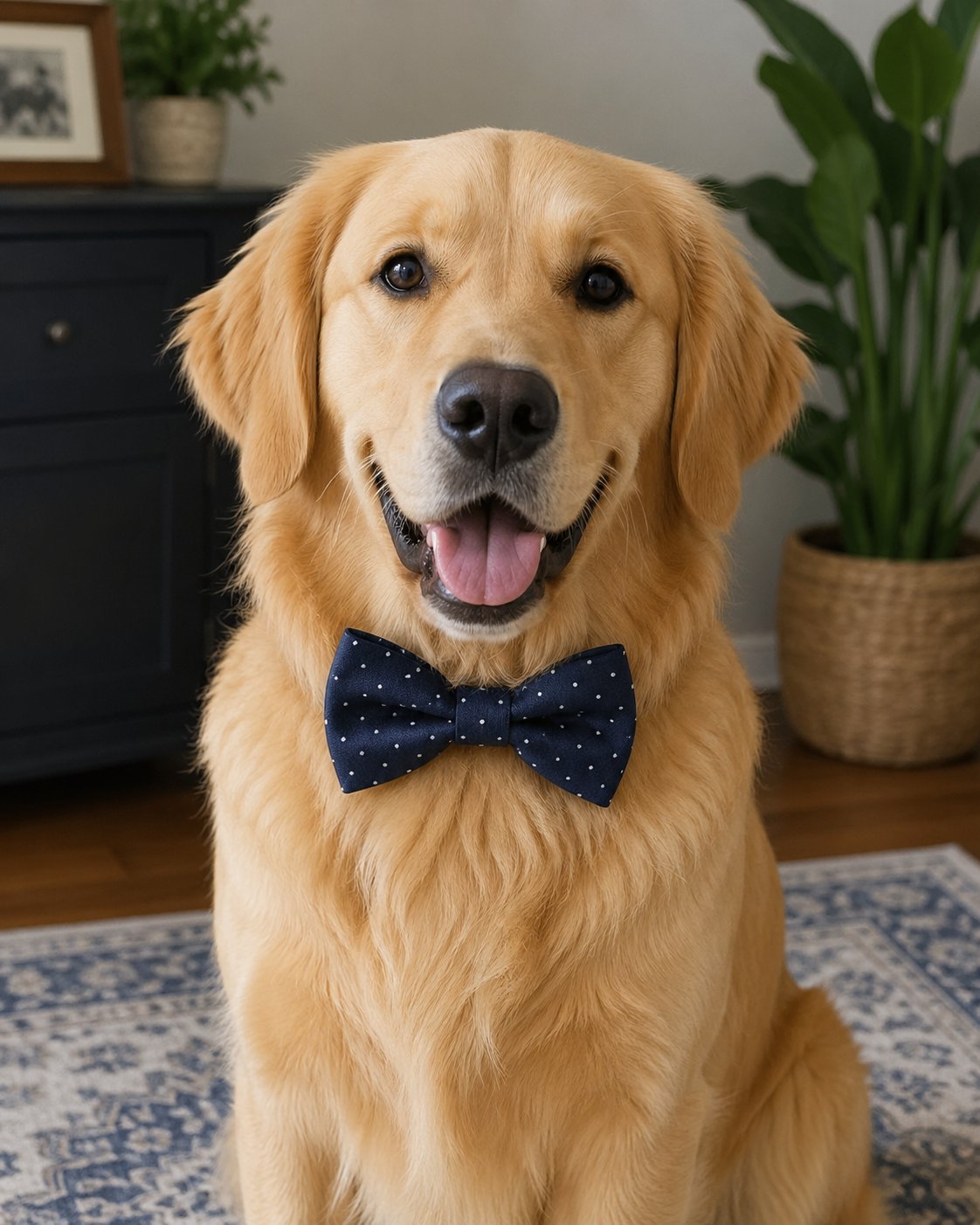
From concerns about barking and aggressive behavior to worries about shedding in common areas, boards are simply trying to protect the community vibe. And as a dog owner, it’s your job to prove that your pet is as well-mannered as they are adorable.
What to Expect During a Dog Interview
So, what happens during this unusual vetting process? Every co-op is different, but here’s a glimpse of what you might encounter:
-
Basic Behavior Checks: A board member or building manager may want to meet your dog in person. They’ll observe how your pup behaves—are they calm or overly excitable? Do they respond to commands? Are they comfortable around strangers?
-
Breed and Size Assessment: Some buildings have specific rules about weight limits or prohibited breeds. Even if your dog is technically within the guidelines, the interview may be an additional safeguard.
-
Noise Concerns: Barking is a common deal-breaker for many co-op boards. They may pay close attention to how your dog reacts to new environments or sudden noises.
-
Proof of Good Behavior: Be prepared to share references! A letter from your current landlord or neighbors attesting to your dog’s good manners could go a long way.
-
Vet Records: Up-to-date vaccination records and proof of spaying or neutering are often requested to ensure your pup is in good health and poses no risks to other residents.
How to Prep Your Pup
While it might sound nerve-wracking, there are steps you can take to make sure your dog shines during their big moment:
- Brush Up on Training: Practice basic commands like “sit,” “stay,” and “quiet” to show your dog is well-behaved.
- Socialize with Strangers: If your dog is shy or nervous around new people, arrange playdates or interactions with unfamiliar faces to build their confidence.
- Keep It Calm: On the day of the interview, make sure your dog has had plenty of exercise to burn off excess energy. A tired dog is a relaxed dog!
The Human Element
Remember, this process isn’t just about your dog. Co-op boards are also assessing you as a responsible pet owner. Show that you’re respectful of building rules and considerate of your neighbors. If you exude confidence and preparedness, it’s bound to reflect positively on both you and your furry friend.
A Quirky New York Experience
Dog interviews might feel like a bizarre New York tradition, but they’re just another part of navigating the city’s unique real estate landscape. With a little preparation and a lot of belly rubs, you and your pup can be ready to ace the co-op board's scrutiny and settle into your new home.
Because at the end of the day, there’s nothing quite like returning to a wagging tail in a city that never sleeps.