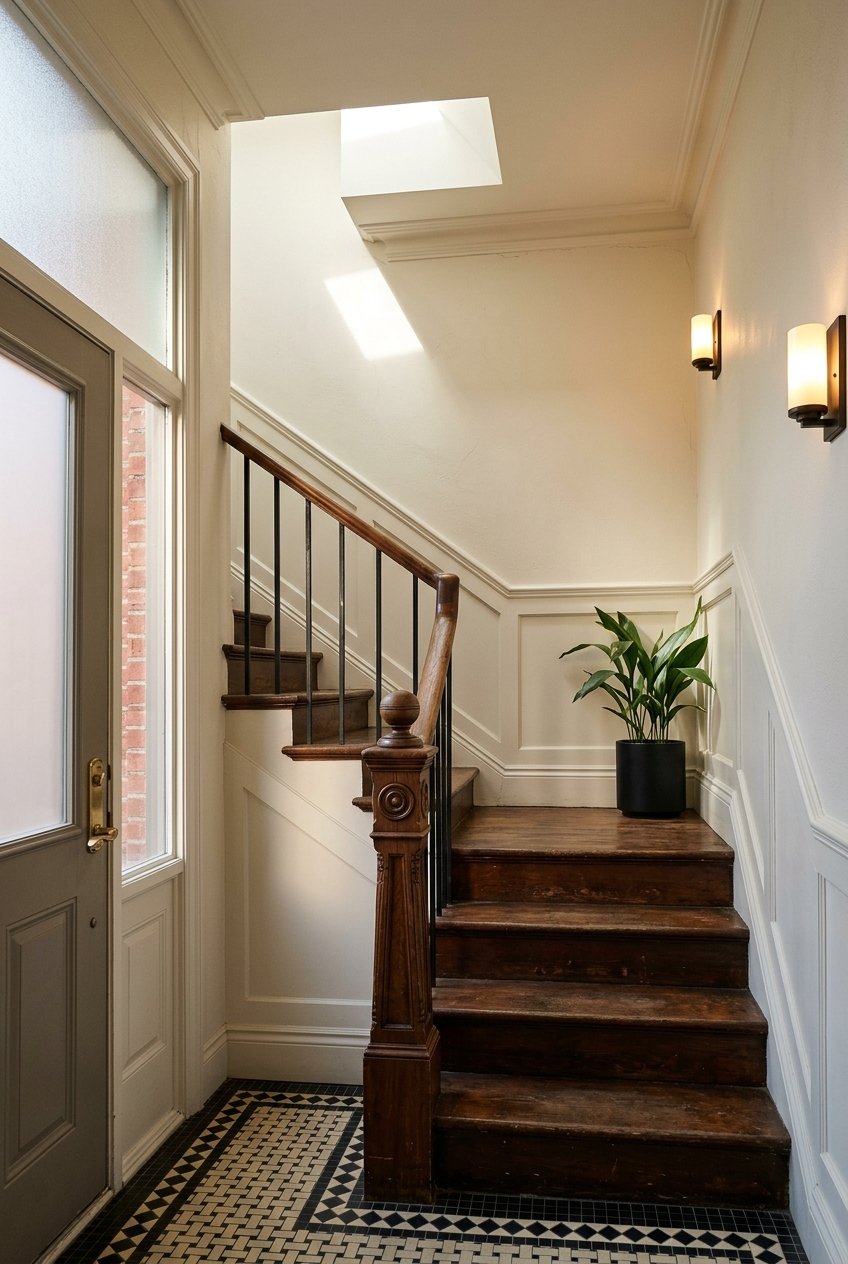
Wondering whether a townhouse or condo is the better fit in Greenwich Village? It is a smart question, because in this part of Manhattan, the choice affects much more than your square footage or monthly costs. Your privacy, maintenance responsibilities, renovation flexibility, and even financing path can look very different depending on the property type. If you are weighing both options, this guide will help you compare the tradeoffs clearly and confidently. Let’s dive in.
Greenwich Village adds another layer
Greenwich Village is not just any Manhattan neighborhood. The Greenwich Village Historic District is the largest historic district in New York City, with more than 2,000 buildings across more than 65 blocks.
That matters because ownership here often comes with preservation rules. According to the NYC Landmarks Preservation Commission, exterior alterations, demolition, and new construction in landmarked properties generally require LPC review, while ordinary interior work usually does not unless it affects the exterior or the interior is separately designated.
For you as a buyer, that means a Greenwich Village townhouse may offer a more direct ownership experience, but it does not mean unlimited freedom. If the property is landmarked, exterior changes still move through a review process, and owners are expected to keep buildings in good repair.
Townhouse vs condo basics
Before comparing lifestyle, it helps to define the difference. Freddie Mac describes a townhome as separate units side by side, each with its own outside door. Fannie Mae explains that a condo is an individual unit within a larger building or community, with shared facilities owned collectively by unit owners.
In Greenwich Village, that distinction can sometimes blur. A home that looks like a townhouse from the street may still legally be structured as a condominium, which is why the title, deed, and governing documents matter as much as the facade.
Privacy and daily routine
Townhouse living feels more independent
If privacy is high on your list, townhouse living often has an edge. A separate exterior entrance can create a more private day-to-day experience and reduce your reliance on shared interior hallways, elevators, or lobby traffic.
That setup can also feel more house-like. You may have a stronger sense of direct control over how you enter, use, and maintain your home, even though landmark or association rules may still apply.
Condo living is often more shared
Condo living usually comes with more shared building infrastructure. Depending on the building, that can mean common hallways, elevators, staffed entry, package handling, or shared systems that streamline daily life.
For many buyers, that tradeoff is worth it. You may give up some independence, but gain convenience and a more standardized ownership experience.
Maintenance and responsibilities
Townhouses usually require more hands-on upkeep
With a townhouse, you should generally expect more direct responsibility for maintenance. Fannie Mae notes that routine upkeep is a core part of homeownership budgeting, and staying ahead of repairs can help prevent bigger costs later.
In Greenwich Village, this point carries extra weight. If your building is in a landmark district, exterior issues may involve both repair costs and preservation-related approvals. You are not just maintaining a home. You are maintaining a property within a highly regulated historic context.
Condos can simplify maintenance
With a condo, part of your monthly fee may help cover exterior and common-area repairs, water, sewer, trash, insurance, reserves, and amenities, according to Fannie Mae’s condo guidance. That can make ownership feel more predictable on the maintenance side.
Still, condo ownership is not maintenance-free. You are responsible for your own unit, and building-level decisions are shared through the board or association. You are trading some control for a more collective maintenance structure.
Fees, rules, and governance
A common mistake is assuming townhouses automatically come without fees or rules. Fannie Mae states that townhome, condo, co-op, and planned-development owners may all be subject to HOA rules and fees.
That means either property type can come with monthly dues, exterior restrictions, approval requirements, or the possibility of special assessments. The difference is often not whether rules exist, but how much of your ownership experience is governed by a board or association.
If you are comparing a Greenwich Village townhouse and a condo, review the governing documents early. They can affect renovation plans, exterior changes, carrying costs, and long-term flexibility.
Amenities and convenience
Condos often offer more services
If you value convenience, condos are often the more service-oriented option. Monthly fees can support shared upkeep, reserve funding, and building amenities, which can make day-to-day ownership feel easier and more streamlined.
That setup may appeal to buyers who want lower-maintenance living or who prefer building services over managing repairs more directly.
Townhouse services vary more
Townhouses can also include shared services if they are part of an HOA or condominium structure, but the experience is usually less standardized. Some townhouse owners prefer that flexibility, while others prefer the predictability of a more fully managed condo building.
This is one area where the specific property matters more than the label alone. Two homes with similar layouts may offer very different ownership experiences depending on how the building or community is organized.
Financing can be very different
Financing is one of the biggest practical differences between these property types. With a condo, lenders often review not only your finances but also the building or project itself.
According to Fannie Mae, lenders may evaluate a condo project’s physical condition, financial stability, master insurance, pending litigation, structural repairs, evacuation orders, and whether the project allows hotel-like or daily short-term rentals. If the project does not meet requirements, financing options can narrow.
For FHA-backed financing, HUD also requires condominium project approval before mortgage insurance can be processed for an individual unit.
If financing predictability matters to you, it is smart to check condo eligibility early. Fannie Mae’s Condo Project Manager and status tools can be part of that review process.
Townhouse financing may avoid that project-level layer, but your lender will still evaluate the property itself and your financial profile. In some cases, that can make the process feel more straightforward than buying into a condo project with unresolved issues.
Insurance and monthly costs
With condos, your monthly housing costs usually include more than just your mortgage. The Consumer Financial Protection Bureau explains that condo or HOA dues are typically paid separately from the mortgage and can range from a few hundred dollars a month to more than $1,000.
Insurance can also be more layered. The CFPB notes that a condo association’s master policy may cover common areas, while you still need your own coverage for the unit and personal property.
With a townhouse, your cost structure may look simpler on paper, but you may be carrying more direct responsibility for repairs, maintenance, and insurance. Instead of a larger monthly common charge, you may face more variable property-level expenses over time.
Property taxes in NYC
In New York City, tax treatment can differ by property type. The city explains that one- to three-unit predominantly residential properties generally fall into tax class 1, while class 2 includes residential property with four or more units, including condos and co-ops.
That said, some condominiums can fall into class 1, so it is important to verify the exact property rather than rely on assumptions. The city also notes that eligible class 2 condo and co-op developments may receive a cooperative and condominium tax abatement that applies at the development level.
In a place like Greenwich Village, checking tax class early can help you compare true monthly carrying costs more accurately.
Which option fits your lifestyle?
A townhouse may fit if you want control
A townhouse often appeals to buyers who prioritize privacy, direct control, and a more hands-on ownership style. If you are comfortable budgeting for upkeep, managing repairs, and working within landmark review rules where applicable, this path may feel more aligned with your goals.
It can also be a strong fit if you value a more house-like experience in Manhattan and want less reliance on shared interior spaces.
A condo may fit if you want convenience
A condo often works well for buyers who want lower-maintenance living, shared services, and a more standardized ownership structure. If you value convenience and are comfortable with monthly fees, association governance, and project-level review during financing, a condo may feel like the better fit.
For many buyers, the decision comes down to what kind of tradeoff feels easier: more direct responsibility, or more shared rules and costs.
What to verify before you buy
No matter which option you prefer, a few checks are especially important in Greenwich Village:
- Confirm the exact ownership structure. A townhouse-style property may still be legally a condo.
- Check whether the property is landmarked and what that means for exterior work.
- Review HOA or condo documents for fees, reserves, rules, and special assessments.
- If it is a condo, confirm financing eligibility for the project.
- Understand the insurance split between any master policy and your own policy.
- Verify the property’s NYC tax class and whether any abatements apply.
In Greenwich Village, details matter. Two properties can look similar online and function very differently once you get into title, governance, landmark status, and carrying costs.
Choosing between a townhouse and condo in Greenwich Village is rarely just about style. It is about how you want to live, what level of responsibility you are comfortable taking on, and how the property’s legal and financial structure supports your goals. If you want a clear, property-by-property strategy for comparing Manhattan homes, Darya Goldstein can help you evaluate the details with confidence.
FAQs
What is the main difference between a townhouse and a condo in Greenwich Village?
- A townhouse usually offers a more direct ownership experience with its own exterior entrance, while a condo is typically one unit within a larger building or community with shared ownership of common areas.
Do Greenwich Village townhouses have landmark restrictions?
- Many do, especially within the historic district, and exterior alterations, demolition, or new construction generally require review by the NYC Landmarks Preservation Commission.
Are condo fees included in a mortgage payment for a Greenwich Village condo?
- Usually no. Condo or HOA dues are generally paid separately from your monthly mortgage payment.
Is financing harder for a Greenwich Village condo than a townhouse?
- It can be, because condo financing may require lender review of the entire project, including finances, insurance, repairs, litigation, and other building-level issues.
Can a Greenwich Village townhouse be part of an HOA or condo structure?
- Yes. A townhouse-style home is not automatically free of HOA or condo rules, fees, or association governance.
How should you compare carrying costs between a Greenwich Village townhouse and condo?
- Look beyond the mortgage and compare taxes, dues, insurance needs, maintenance responsibilities, and any potential special assessments or repair obligations.