Thinking about moving uptown but want real-life details, not hype? The Upper East Side is more than museum steps and Madison Avenue windows. It’s a neighborhood where your morning run can loop the Reservoir, your errands happen on foot, and your block can feel calm even when the city hums around you. In this guide, you’ll get a clear picture of daily life on the UES: where it starts and ends, what routines look like, how you get around, housing types and pricing, and a simple touring checklist to make the most of your visits. Let’s dive in.
Upper East Side at a glance
Where it starts and ends
The Upper East Side runs from East 59th Street to East 96th Street, bordered by Fifth Avenue and the East River. It includes well-known sub-neighborhoods like Lenox Hill, Carnegie Hill and Yorkville, and falls largely within Manhattan Community District 8. You’ll see ZIP codes such as 10021, 10028, 10065, 10075 and 10128, and many blocks sit within landmarked historic districts. For a quick overview, start with the neighborhood’s Upper East Side profile.
Micro-pockets and how they feel
- Park-side (Fifth and Park): Quieter, more formal blocks with classic co-ops and townhouses, immediate Central Park access, and the cultural energy of Museum Mile nearby. The setting reads buttoned-up, with prices that reflect it.
- Avenues (Madison, Park, Lexington): Busier corridors with boutiques, services, restaurants, and full-service buildings. Madison Avenue is the long-running luxury boutique spine; get a feel for the corridor’s tone from this Madison Avenue shopping overview.
- East of Lexington into Yorkville: A broader mix of building types, including walk-ups and newer condos, with a growing restaurant and retail scene. Recent coverage has noted the fresh energy east of Lexington; see this Upper East Side dining and retail trend piece.
- Carnegie Hill (roughly 86th to 98th near Park): Calmer, residential blocks with smaller museums and proximity to a dense cluster of private schools. Learn more about the area’s character from Carnegie Hill’s profile.
Parks, culture and weekend rhythm
Central Park in your routine
Central Park lines the neighborhood’s western edge, and it shapes daily life. Morning runs and dog walks often head to the Jacqueline Kennedy Onassis Reservoir, an especially scenic loop near 86th to 96th Streets. Families lean on playgrounds and open lawns, while quiet moments are easy to find on side paths. For activity ideas and maps, use the Central Park Conservancy guides.
East River, Carl Schurz Park and Asphalt Green
On the far east side, Carl Schurz Park and the East River Esplanade offer breezier, less crowded waterfront space. You’ll find dog runs, river views toward Roosevelt Island, and benches perfect for a reset between errands. Nearby, Asphalt Green’s Upper East Side campus is a true community hub, with aquatics, fitness classes and youth programs that can anchor weekly schedules. Explore offerings at Asphalt Green (UES).
Museum Mile and community hubs
Living here puts world-class culture on your doorstep. The Metropolitan Museum of Art, the Solomon R. Guggenheim, The Jewish Museum and El Museo del Barrio sit within an easy walk for many residents. Start with the Met’s overview to orient your Museum Mile options. For talks, classes and performances with a neighborhood feel, the 92nd Street Y and other local institutions keep a robust calendar of community programming.
Dining and shopping, everyday to luxe
Where you’ll eat
The UES balances classic neighborhood standbys with steady new openings, from casual cafés and family-friendly spots to refined bistros. Local roundups and neighborhood guides often highlight a mix that works for both weeknights and special occasions. East of Lexington has seen fresh momentum, with newer restaurants joining long-running favorites.
Where you’ll shop
- Luxe: Madison Avenue is the curated boutique corridor for fashion and design. Window-shopping here is a sport, and special-occasion shopping feels effortless thanks to tight block-by-block clusters of brands. For a sense of the lane, revisit this Madison Avenue luxury snapshot.
- Daily errands: Lexington and Third avenues carry most day-to-day needs, from pharmacies to specialty food stores. Block-to-block, you’ll also find independent purveyors that make routine shopping feel personal.
Fitness, healthcare and family life
Fitness and youth programming
Beyond Asphalt Green, you’ll find multiple premium gyms and boutique studios across the avenues. Class schedules and youth programs are plentiful, helping families and busy professionals keep consistent routines.
Hospitals and care
Proximity to major medical centers is a quiet advantage of the UES. Lenox Hill Hospital and the Hospital for Special Surgery serve a wide range of routine and specialized needs. To review Lenox Hill’s profile, use this Lenox Hill Hospital overview.
Schools and family services
The neighborhood includes a dense mix of private schools, plus selective public options such as Hunter College Campus Schools. Private options include institutions like Brearley, Spence and Chapin; admissions calendars and requirements vary by school. For context on a well-known private school, see the Brearley program overview. If your move is tied to applications, mark key dates early and plan tours around school open houses.
Housing types and what life looks like
What you’ll see on the block
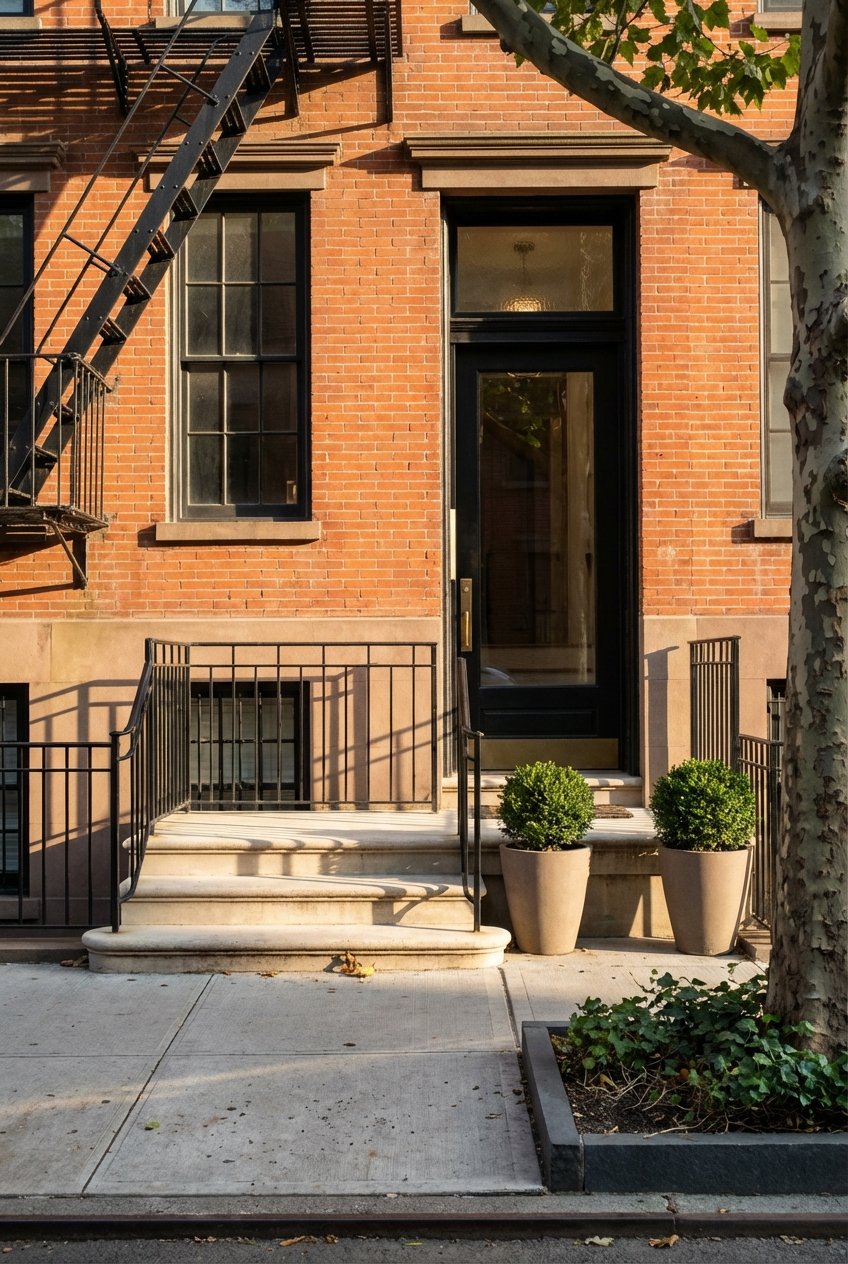
You’ll find classic prewar co-ops and townhouses near Park and Fifth, larger co-op and condo towers along the avenues, and a mix of walk-ups, condos and rentals as you move east. Side streets tend to feel quieter and more residential, while avenues carry the bustle of retail and services. Get a high-level view from the Upper East Side neighborhood overview.
Co-op vs condo basics
Co-ops are common on the west side of the neighborhood. They typically require board interviews, larger down payments and stricter sublet policies. Condos, more frequent in newer and eastern buildings, usually offer greater flexibility for rentals and resale. These differences affect your moving timeline, renovation plans and financing approach. For a neighborhood-level snapshot of market dynamics and building types, review this Upper East Side market report.
What homes cost right now
At the neighborhood scale, the median sale price is approximately 1.50 million dollars, and the median rent is about 4,250 dollars per month. These figures come from a neighborhood market report covering data through November 2025 and should be treated as directional since prices vary widely by block, building and proximity to the park. Check the live market feed for updates. Historically, park-facing and Madison/Park-adjacent co-ops command premiums, while east-of-Third offers relatively lower entry prices and a higher mix of newer condos and rentals.
Getting around
Subways
Two north-south corridors shape most commutes. The Lexington Avenue line (4/5/6) runs the length of the neighborhood. The Second Avenue Subway added Q service stations at 72nd, 86th and 96th Streets, which made east-side access far easier. Planning continues for an extension further north; follow updates on the Second Avenue Subway Phase 2.
Buses, bikes and ferries
Crosstown buses like the M86 SBS, M72 and M66 make park crossings and West Side trips simple. Citi Bike docks are well distributed across the UES, and the East River ferry can be convenient depending on your destination. If you rely on buses or ferries, check peak-hour patterns during your tours to see how they feel in practice.
Walkability and errands
Daily life here is notably walkable. Groceries, pharmacies, dry cleaning and cafés usually sit within a few blocks, and you can pair a quick park loop with a short errand run. Side streets near Park are calm, while the avenues concentrate services and deliveries, which can be helpful if you prefer a livelier block.
Is the Upper East Side a fit?
- You want quick Central Park access and quieter side streets that still sit close to dining and services.
- You like being near museums, boutiques and fine restaurants without sacrificing a neighborhood feel.
- You prefer a more traditional uptown rhythm over the louder, later-night vibe of downtown.
- You value a range of building options, from classic prewar co-ops to newer condos east of Lexington.
- You want community anchors like Asphalt Green, established medical centers and active cultural hubs.
Touring checklist
- Do a two-visit test: a weekday morning for noise and errands, and a weekend afternoon for park time and dining.
- Compare avenue vs side-street living. Side streets near Park are quieter; avenues pack services but have more deliveries.
- If you’re considering co-ops, budget extra time for board approvals and ask about subletting rules and service-elevator access for moves or renovations.
- For school-focused moves, list public, charter and private options early, and track admissions calendars. Selective programs like Hunter College High School have separate timelines and testing windows.
- Map your commute to the nearest 4/5/6 or Q station and test it during your typical travel time.
A sample weekday on the UES
- Early: Run or walk the Reservoir, grab coffee on Lexington.
- Midday: Errands along Third Avenue, a quick lunch at a neighborhood spot.
- Afternoon: Kids’ swim class or workout at Asphalt Green; a stop at Carl Schurz Park.
- Evening: Museum lecture or 92nd Street Y talk, then dinner close to home.
Ready to explore homes and micro-pockets that match your day-to-day life? Reach out to Darya Goldstein for a focused conversation, current listings, and a plan tailored to your routines and timeline.
FAQs
What is daily life like on the Upper East Side?
- Expect calm side streets near the park, busy avenue corridors for errands, strong cultural access and easy park and riverfront time built into your week.
How expensive is it to live on the Upper East Side?
- A recent neighborhood snapshot shows a median sale price near 1.50 million dollars and median rent around 4,250 dollars, with wide variation by block and building.
What are the main subway lines serving the Upper East Side?
- The Lexington Avenue 4/5/6 runs the length of the neighborhood, and the Q on Second Avenue stops at 72nd, 86th and 96th Streets.
Are there good parks on the Upper East Side for daily use?
- Yes. Central Park shapes west-side routines, and Carl Schurz Park and the East River Esplanade add quiet waterfront space on the east side.
What housing types are common on the Upper East Side?
- Classic prewar co-ops and townhouses near Park/Fifth, larger co-op and condo buildings on the avenues, and a mix of walk-ups, newer condos and rentals toward the river.
How family-friendly is the Upper East Side without a car?
- Very. Most errands are walkable, crosstown buses connect to the West Side, and community hubs like Asphalt Green add sports and swim options close to home.