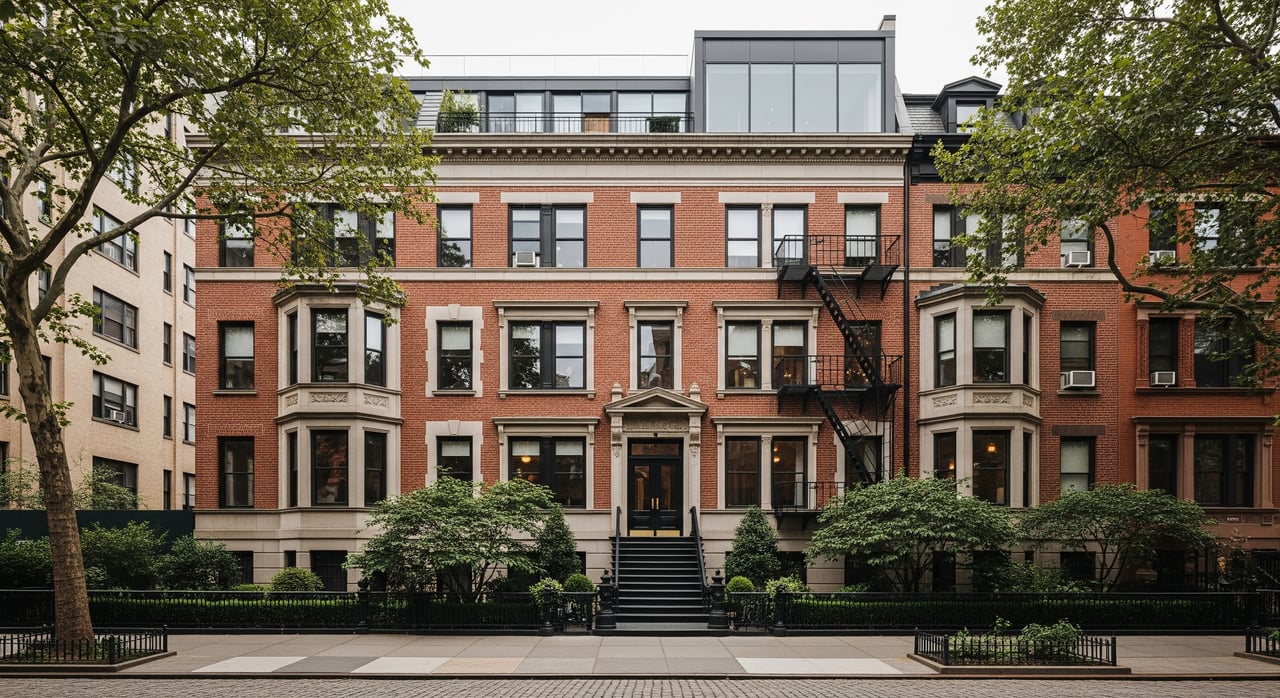
Seen a great Flatiron apartment priced under similar listings? It might sit on leased land. If you have questions about what that means for price, financing, or resale, you are not alone. Many smart buyers and sellers pause at the phrase “land-lease.” In this guide, you will learn exactly how land-lease buildings work in Gramercy and Flatiron, what to review before you move forward, and how to position your purchase or sale with confidence. Let’s dive in.
What a land-lease building means
A land-lease, also called a ground lease or leasehold, is a building where someone other than the residents owns the land beneath the property. You may own a condo or co-op interest in the building improvements, but the land is leased for a set term. The building, association, or co-op corporation pays ground rent for the right to use that land.
In New York City, you can see land-lease structures in both condominiums and cooperatives. The lease is usually long-term. Terms commonly span decades, and many run 30 to 99 years. The economics feel most stable when the remaining term is long. As the remaining years shorten, lenders and buyers take a closer look at risk, financing, and resale value.
Common NYC structures
- Leasehold condominium where the condo association holds a long-term ground lease instead of owning the land.
- Leasehold co-op where the co-op corporation leases the land and shareholders own shares and a proprietary lease to their apartment.
- Single-building ground leases or a larger master ground lease that covers multiple buildings.
How land leases work in NYC
New York’s legal and market framework relies on recorded documents and detailed offering materials. The key information about a land-lease building appears in the ground lease itself and in condo or co-op governing documents. Buyers typically review these with their attorney during contract diligence.
Key lease terms to review
- Ground rent and how it increases over time. Look for fixed steps, CPI linkage, or periodic resets.
- Renewal or extension options and how they are exercised.
- Assignment, subletting, and transfer provisions that may require approvals.
- Who pays real estate taxes, insurance, repairs, or capital items, and how those costs flow to owners.
- What happens at lease expiration, including any reversion of improvements.
Public records and disclosures
In NYC, you can confirm leasehold status with recorded documents and offering materials. The Automated City Register Information System records ground leases and amendments. For condo and co-op sales, the offering plan and governing documents outline the lease terms. Property tax assessment and collection are handled by the NYC Department of Finance, and the structure of a leasehold can affect who is billed and how costs are passed through. Always confirm specifics case by case in the building documents.
Flatiron and Gramercy context
Land-lease buildings are present in Manhattan, including Flatiron and neighboring Gramercy, but they are less common than fee-simple condos and co-ops. You should confirm the status of any specific building through document review and public records. Because land-lease structures often relate to legacy sites, institutional landowners, and complex developments, the lease terms can vary widely even within the same area.
For buyers and sellers here, the main takeaway is simple. Treat a land-lease as a distinct ownership model with its own cost profile, financing rules, and long-term considerations.
Financing and value implications
Financing is often the biggest practical difference. Lenders evaluate leasehold apartments carefully. The remaining lease term, the clarity of renewal rights, and the ground rent escalations all factor into mortgage eligibility.
Lender requirements
- Many lenders require the ground lease to extend well beyond the loan maturity. Programs often look for the lease to run past the mortgage term by a buffer period, and they scrutinize renewal provisions.
- If the remaining term is short or the rent escalates aggressively, expect fewer financing options, higher rates, or larger down payments.
- Get pre-approved with a lender that will review the specific ground lease language early in your process.
Resale and pricing
As the remaining ground-lease term shortens, buyers tend to discount value. The prospect of future rent increases or a renegotiation near term can slow resale and pressure pricing. If the lease has robust renewal options with clear formulas, that can stabilize value. If renewal terms are uncertain, buyers may require concessions to proceed.
Costs, taxes, and insurance
Your total monthly cost is not just common charges or maintenance. In a land-lease building, the association typically pays ground rent and may pass all or part of that expense to owners.
Ground rent and escalations
- Ground rent is usually a recurring line item in the building budget.
- Escalation formulas matter. Fixed increases, CPI-linked adjustments, or step-ups can change total ownership cost over time.
- Review the rent schedule so you understand future increases and how they will impact monthly carrying costs.
Taxes and insurance provisions
The lease will spell out who pays property taxes, how insurance is carried, and who is named as an additional insured. In some cases, the landowner has specific insurance requirements and must be added to the policy. The allocation of casualty proceeds after a loss is another key clause. Read how rebuilds are handled and whether the lease could terminate after a major casualty.
Lease expiration and reversion
Every ground lease ends unless it is renewed or extended. The most important question is what happens when the term runs out. Some leases include purchase options or structured renewals. Others allow the landowner to take control of the land and, depending on the lease language, the improvements.
Renewal and reversion scenarios
- Strong renewal options or purchase provisions reduce risk and protect value.
- If no renewal exists, prepare for increased lender caution as the end date approaches.
- Reversion clauses can affect whether the building remains in place, can be purchased, or must be removed at expiration.
Red flags to watch
- Remaining term under about 40 years without clear renewal rights.
- Aggressive rent resets or step-ups that exceed typical inflation.
- Provisions that allow the landowner to require removal of improvements at lease end.
- Restrictive assignment or sale provisions that require third-party approvals.
Buyer due diligence checklist
Before you submit an offer in Flatiron or Gramercy, gather and review the right documents. A strong team and clear timeline will help you move decisively.
- Condominium declaration or co-op proprietary lease, bylaws, house rules, and recent board minutes.
- The recorded ground lease and all amendments or assignments.
- The offering plan and amendments that describe the leasehold and rent schedule.
- Association budgets and financials that show current ground rent and projected escalations.
- A title report that confirms who owns the land and any encumbrances.
- Insurance policies and endorsements that name the landowner as required.
- Any consents, estoppel certificates, or lender approval letters tied to transfers.
- Early lender consultation and a conditional pre-approval that references the specific ground lease.
- An attorney experienced with NYC leaseholds to summarize key risks and timelines.
Seller playbook for leasehold homes
If you are selling a condo or co-op in a land-lease building, your goal is to remove uncertainty. That helps you protect pricing and shorten time to contract.
- Disclose the land-lease status prominently in your listing and materials.
- Provide the full ground lease, amendments, and a rent escalation schedule to prospects.
- Share recent financials that show how ground rent flows through to owners.
- If a renewal or renegotiation is on the horizon, compile history and likely outcomes so buyers and their lenders can evaluate risk.
- Prepare answers on lender requirements, remaining term, and assignment provisions so your team can address questions quickly.
How to position your next move
A land-lease building in Flatiron can be a smart buy when the lease terms are clear, the remaining term is healthy, and the costs are predictable. The same property can be a challenge if the lease is approaching expiration or if escalations are steep. Your edge is in preparation. Get the documents early, align with the right lender, and work with a local advisor who can coordinate attorneys, title, and the building’s managing agent.
With thoughtful prep, you can secure the right home at the right price and make a confident decision for the long term.
Let’s talk strategy
Whether you are weighing a land-lease purchase in Flatiron or planning a sale in a leasehold co-op, you do not have to navigate it alone. As a Manhattan-focused advisor backed by a top-performing team, I coordinate the right lenders, attorneys, and vendors to keep your deal smooth and timely. If you are considering a move, reach out to discuss your goals and the specifics of your building’s lease. Connect with Darya Goldstein to get started.
FAQs
What is a land-lease building in Manhattan?
- It is a condo or co-op where the building sits on land owned by a separate party, and the building holds a long-term ground lease rather than owning the land.
How common are land-lease buildings in Flatiron and Gramercy?
- They exist in these neighborhoods but are less common than fee-simple ownership; verify each building case by case through recorded documents and offering materials.
Can I get a mortgage on a Flatiron land-lease apartment?
- Often yes, but lenders require ample remaining lease term, clear renewal language, and manageable ground rent escalations, so expect stricter underwriting.
Will ground rent increase my monthly costs over time?
- Yes. Ground rent is typically a recurring expense, and escalation formulas can raise your total monthly cost, which affects affordability and resale.
What happens when the ground lease expires?
- Outcomes depend on the lease. There may be renewal or purchase options, or the landowner could gain control of the land and potentially the improvements if no renewal exists.
What documents should I review before buying in a leasehold building?
- Review the ground lease and amendments, condo or co-op governing documents, the offering plan, building financials, title report, and relevant insurance and consent letters with an experienced NYC real estate attorney.