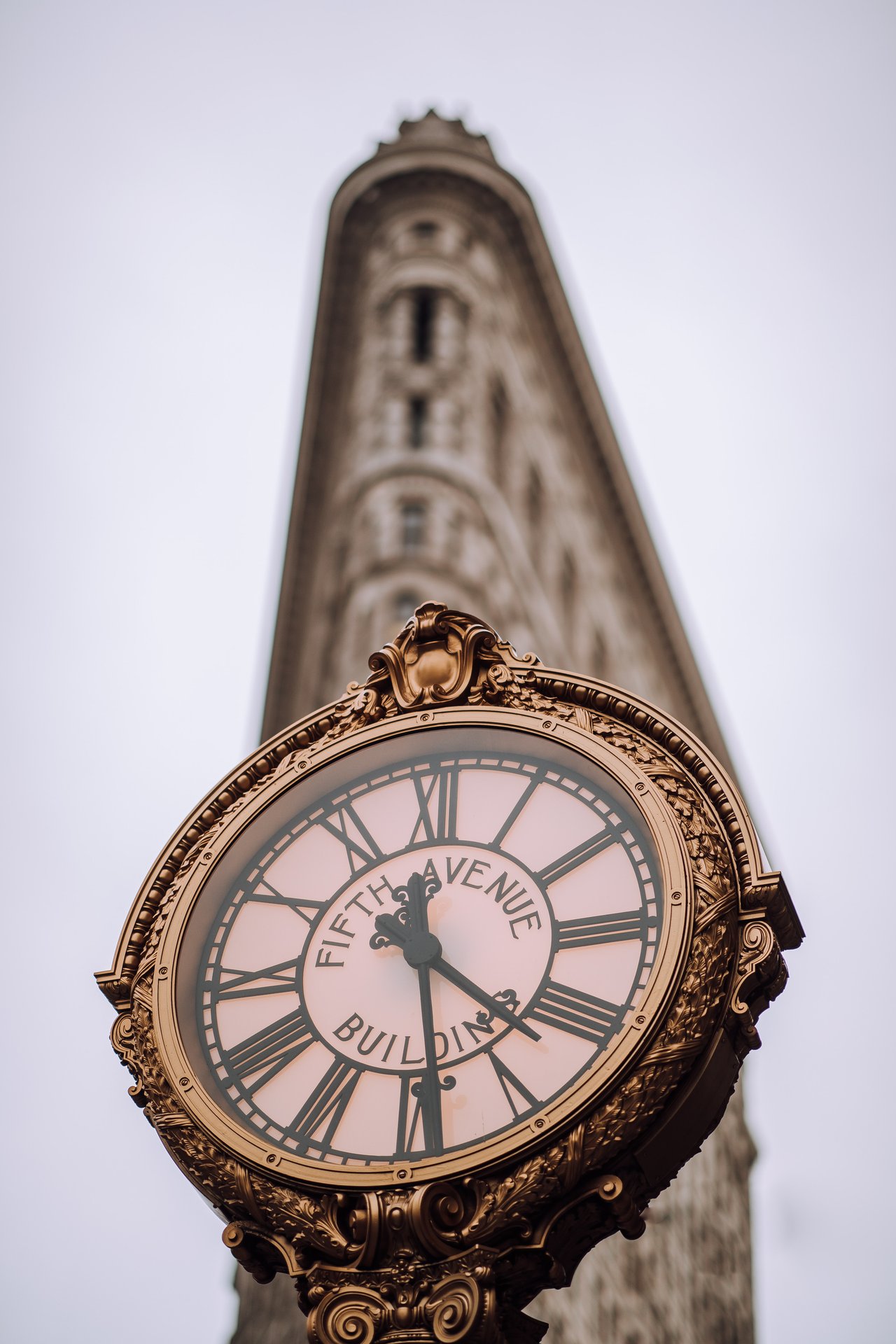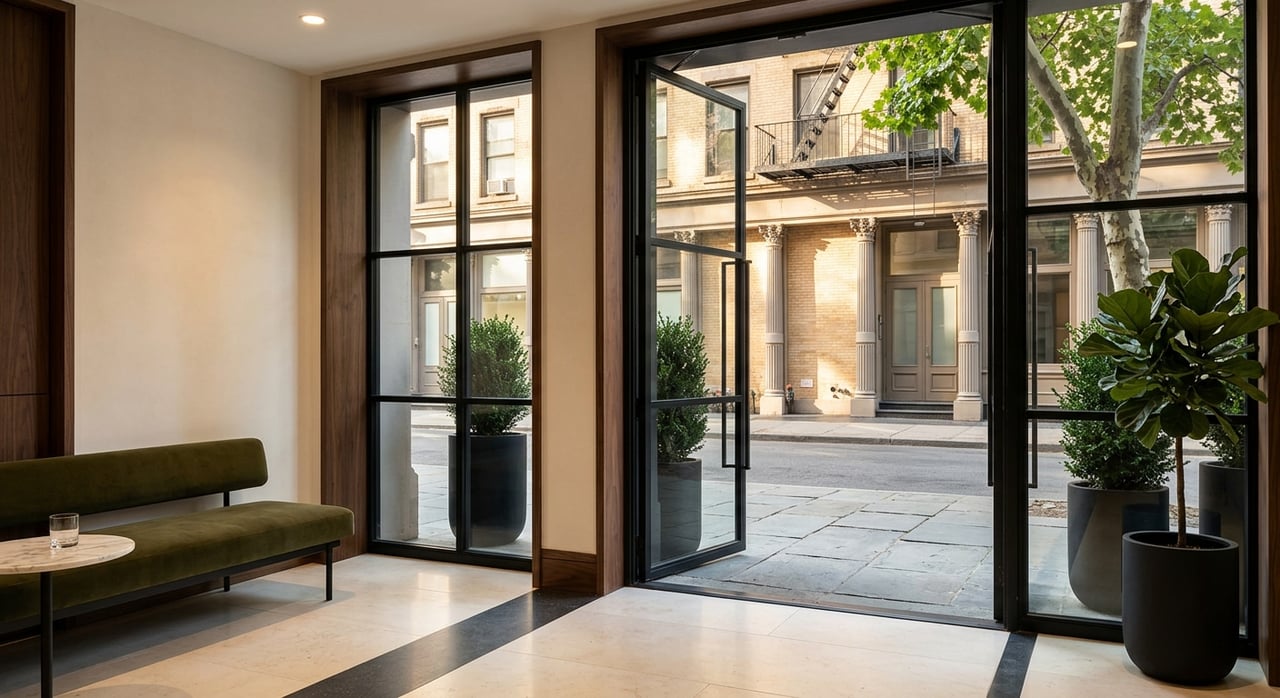
Wondering whether NoMad near the park feels more like a neighborhood or a nonstop Manhattan crossroads? The honest answer is that it offers a bit of both. If you want a central location with a major public park, strong subway access, and an active dining scene, this part of NoMad can be very appealing. Let’s take a closer look at what daily life here actually feels like.
Madison Square Park Shapes Daily Life
Living in NoMad near the park means Madison Square Park becomes part of your regular routine. The park sits between Fifth Avenue and Madison Avenue and between 23rd Street and 26th Street, placing it right at the center of the area’s day-to-day flow. It is free, fully accessible, and open daily from 6 AM to 11 PM in winter and 6 AM to midnight in summer.
The park offers practical amenities that support everyday use, not just occasional visits. You have a dog run, playground, reflecting pool, water fountains, Citi Bike docks, and Shake Shack all within the park. One useful detail to know is that there are no bathrooms inside the park, though there is a nearby DOT-owned restroom on Madison between 23rd and 24th Street.
For many residents, that kind of access changes how the neighborhood feels. Even in a dense part of Manhattan, having a reliable green space nearby can make your mornings, lunch breaks, and weekends feel more balanced.
Flatiron Plazas Add Energy
The public-space experience does not stop at the park’s edge. The nearby Flatiron plazas at Broadway and 23rd Street extend that outdoor rhythm with moveable tables, chairs, umbrellas, and food-and-beverage kiosks. These plazas sit directly next to Madison Square Park and help create a larger pedestrian-focused zone.
NYC estimates foot traffic here at more than 50,000 people per day. That number says a lot about the area’s pace. If you like being where things are happening, this can feel energizing. If you prefer a quieter, more tucked-away block, it is worth keeping in mind.
NoMad Feels Central and Connected
One of NoMad’s biggest lifestyle advantages is how easy it is to get around. MTA maps show 6 train service at 23rd, 28th, and 33rd Streets, plus Broadway service at 23rd and 28th Streets. Nearby transit hubs at 14 St-Union Sq and 34 St-Herald Sq expand your options even more.
A city planning filing for 262 Fifth Avenue also notes access to the 1 train and bus routes including the M1, M2, M3, and M55. In practical terms, that means you can move north, south, east, or west without much effort. For buyers and renters comparing uptown and downtown neighborhoods, that central position is a real advantage.
You may also find that many daily errands happen on foot. Between the park, plazas, restaurants, and transit stops, a lot of your routine can stay within a compact area.
The Streetscape Is Mixed-Use
NoMad near Madison Square Park is not a quiet, purely residential pocket. The area has a more commercial and mixed-use character, shaped by offices, hotels, retail, restaurants, and residential buildings. That creates a different feel from neighborhoods known for long rows of brownstones or a more enclosed residential streetscape.
According to the Landmarks Preservation Commission, the historic buildings north of Madison Square reflect the area’s evolution from affluent residential blocks to a commercial and business district. The City Planning Commission also describes nearby C5-2 zoning as central commercial areas where retail is usually on the ground floor, with office or residential space above.
What does that mean for you as a resident? In many cases, housing here is tied to landmark buildings, hotel conversions, office-to-residential projects, and newer condo or rental development. If you want a home base that feels woven into the rhythm of central Manhattan, that mix may be a strong fit.
Dining Is Part of the Neighborhood Identity
NoMad has become known for its dining scene, and living near the park puts you close to some of the area’s best-known destinations. MICHELIN currently lists Atomix on East 30th Street as a two-star Korean restaurant and Eleven Madison Park on Madison Avenue as a three-star restaurant with a plant-based focus.
That headline dining scene is only part of the story. Hotel restaurants and bars also play a major role in how the neighborhood functions day to day. Instead of feeling separate from local life, many of these spaces operate like extensions of the neighborhood itself.
The Fifth Avenue Hotel highlights Café Carmellini and The Portrait Bar. The Ritz-Carlton New York, NoMad lists Zaytinya, Bazaar Meat by José Andrés, Bazaar Bar, and Nubeluz. Arlo NoMad includes NoMad Diner, ART NoMad, and NoMad Bodega, while also emphasizing skyline views from its rooftop lounge.
If you enjoy meeting friends for drinks in polished hotel spaces, grabbing brunch nearby, or having a variety of dining options close to home, this part of NoMad supports that lifestyle well. The tradeoff is that the area can feel active and hospitality-driven rather than strictly residential.
What Day-to-Day Living Feels Like
The easiest way to picture life here is to think in layers. You might start your morning with a walk through Madison Square Park, pass through the plazas during the day, and head to dinner or a hotel bar in the evening. The neighborhood offers a lot of movement, convenience, and built-in activity.
That rhythm can be especially attractive if you want Manhattan energy without giving up access to open space. You are not choosing between a park-oriented lifestyle and a highly connected one. In this part of NoMad, those two things overlap.
At the same time, it helps to be realistic about the environment. This is a busy, central, heavily used part of Manhattan. The same features that make it convenient and vibrant also make it more commercial and active than quieter residential enclaves.
Who NoMad Near the Park Suits Best
This part of NoMad may be a strong match if you value:
- Quick access to multiple subway lines
- A major public park within your daily routine
- Dining and hotel amenities close to home
- A central Manhattan location for work, errands, and social plans
- A mixed-use environment with constant activity
It may require more thought if your priority is:
- A quieter residential streetscape
- A neighborhood defined mainly by low-rise housing
- A more secluded or slower-paced feel
Neither preference is right or wrong. It simply depends on how you want your home environment to support your day-to-day life.
Why Buyers and Renters Compare NoMad
For many people, NoMad enters the conversation when they are deciding between uptown and downtown options. That makes sense. The neighborhood sits in a central location, has meaningful transit coverage, and offers a strong public realm anchored by Madison Square Park and the surrounding plazas.
What sets this micro-location apart is how many lifestyle pieces come together in a small area. You get green space, dining, transit, and a dense urban streetscape all at once. If that combination matches the way you live, NoMad near the park can feel practical and exciting in equal measure.
If you are exploring NoMad or comparing it with other Manhattan neighborhoods, working with someone who understands the differences block by block can make your search much more focused. Darya Goldstein brings a thoughtful, neighborhood-driven approach to buyers, sellers, renters, and owners across Manhattan.
FAQs
What is daily life like in NoMad near Madison Square Park?
- Daily life in this part of NoMad often centers on Madison Square Park, nearby plazas, restaurant options, hotel spaces, and easy subway access in several directions.
Is NoMad near the park more residential or commercial?
- The area is mixed-use and more commercial than a purely residential neighborhood, with retail, offices, hotels, restaurants, and residential buildings all shaping the streetscape.
What amenities does Madison Square Park offer in NoMad?
- Madison Square Park offers a dog run, playground, reflecting pool, water fountains, Citi Bike docks, and Shake Shack, and it is free and fully accessible.
How busy are the Flatiron plazas near NoMad?
- NYC estimates foot traffic at the nearby Flatiron plazas at more than 50,000 people per day, which reflects the area’s active and highly used public realm.
Is NoMad near Madison Square Park good for commuting?
- NoMad has strong transit access, including 6 train service at 23rd, 28th, and 33rd Streets, Broadway service at 23rd and 28th Streets, nearby hubs at Union Square and Herald Square, plus bus access noted by city planning records.
What kind of housing is common in NoMad near the park?
- Based on city preservation and planning context, the area includes a mix of landmark buildings, newer condo or rental development, and other mixed-use residential formats rather than a traditional brownstone streetscape.