Thinking about calling the Upper West Side home? You might picture leafy blocks, classic buildings, and world-class culture just outside your door. If you want a neighborhood that feels grounded, convenient, and inspiring all at once, this Manhattan staple delivers. In this guide, you’ll learn how the area is laid out, what the buildings are like, how people get around, and what daily life really feels like. Let’s dive in.
Upper West Side map and feel
The Upper West Side stretches from roughly 59th Street to 110th Street, between Central Park West and the Hudson River. Locals often reference a few subareas: Lincoln Square near Columbus Circle, the 70s through 90s with prewar blocks and brownstones, and the upper stretch around 96th to 110th Street with varied buildings and some academic institutions.
You’ll see a calm, residential energy paired with a cultural undercurrent. Many residents value parks, schools, and easy commutes, and they enjoy bookstores, specialty food shops, and quiet side streets. Architecture ranges from late‑19th‑century brownstones to classic prewar apartment houses and modern condos.
Architecture and housing types
You can choose from a wide mix of buildings. Your day-to-day living experience depends a lot on era and building rules.
Prewar co-ops
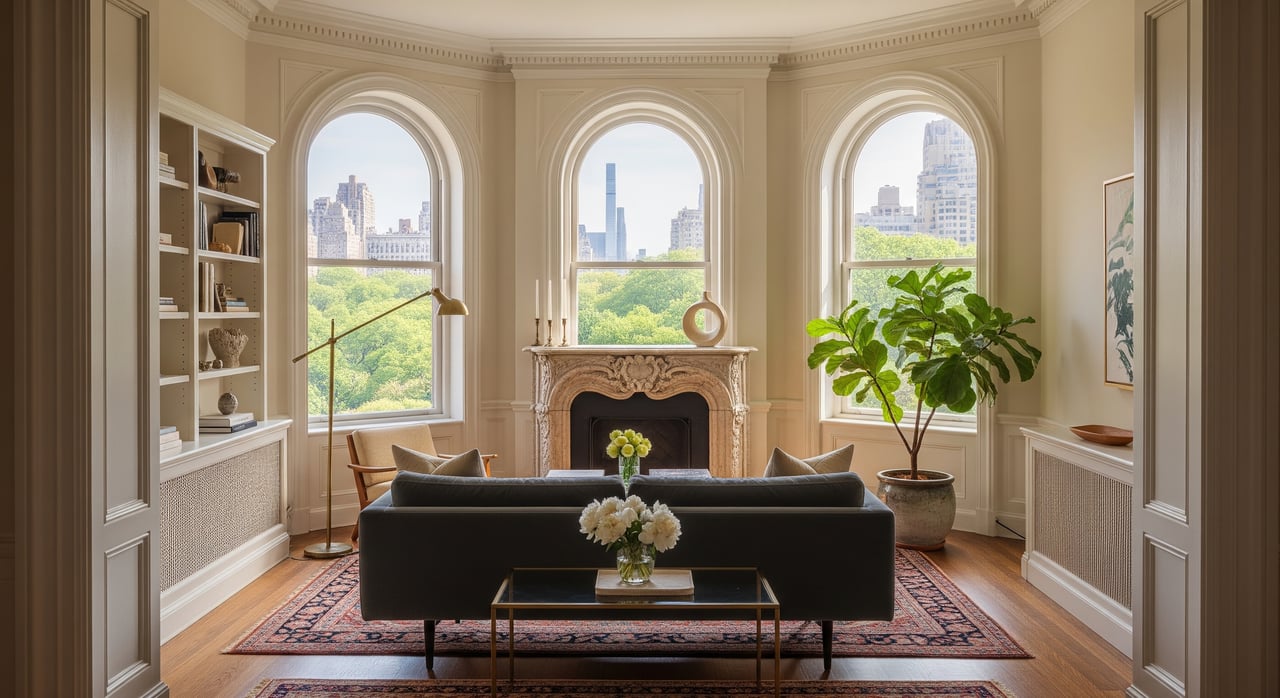
Prewar co-ops define much of the neighborhood. Expect generous room sizes, high ceilings, and original details that have often been updated over time. Many have doormen and live‑in supers. You will submit a board package, complete an interview, and follow house rules on renovations and subletting.
Condos and newer builds
Modern condos and postwar buildings tend to offer open kitchens, central HVAC or efficient AC systems, in-unit laundry in many cases, and amenities like gyms and roof decks in larger developments. Around Columbus Circle and transportation hubs, you’ll find more condo options and full-service buildings.
Brownstones and walk-ups
On quiet side streets, brownstones and walk-ups offer character and privacy. Many have been renovated with updated kitchens and baths. Tradeoffs often include fewer elevators, less storage, and individualized building policies.
Co-ops vs. condos
On the Upper West Side, co-ops are more common than condos, especially in prewar buildings. Here’s how they differ in practice:
- Co-ops typically require board approval. You will share financials, references, and meet with the board.
- Monthly maintenance often includes taxes and building services. These fees vary a lot by building.
- Co-ops can have lower purchase prices than comparable condos, but with more rules on subletting and renovations.
- Condos are more flexible for ownership and rentals, but the purchase price can be higher.
If you are buying, your choice often comes down to lifestyle, timeline, and how much flexibility you want.
What it costs
Prices and rents move with the Manhattan market, and the Upper West Side consistently draws strong demand for larger rooms and practical layouts. Desirable blocks near Central Park or major cultural anchors tend to command premiums. Compared with the most expensive Manhattan areas, the Upper West Side can feel like a value for the amount of space you get. For current figures, review the latest Manhattan market reports and confirm building-level costs like maintenance or common charges before you make an offer.
Parks and outdoor life
You get two landmark parks at your doorstep. Central Park lines the neighborhood’s eastern edge, with jogging loops, ballfields, playgrounds, and seasonal programming. On the west side, Riverside Park gives you river views, bikeways, dog runs, and a slower, waterfront pace.
These spaces shape daily life. You might walk the dog on quiet blocks, take a long run along the Hudson, or plan a weekend picnic under mature trees. Access to green space is a major reason many people choose the Upper West Side.
Culture, dining, nightlife
Culture is a core part of the neighborhood’s identity. Lincoln Center anchors the performing arts with music, opera, and ballet. The American Museum of Natural History and the New‑York Historical Society offer exhibits and education programs throughout the year.
Dining skews to relaxed cafés, delis, and neighborhood restaurants, with higher-end options closer to Columbus Circle and Lincoln Square. Nightlife is more mellow than downtown. You’ll find concerts, films, theater, and conversation-friendly spots rather than club-heavy scenes.
Shopping and groceries
Daily errands feel simple. You have national grocery chains, local markets, and specialty food shops like well-known delicatessens. Pharmacies, hardware stores, dry cleaners, and fitness studios are easy to reach on foot. Seasonal farmers markets and street fairs add variety, especially in warmer months.
Schools and services
You’ll find a mix of zoned public schools, charter and private options, and many early childhood centers. Families often cite access to schools, parks, and cultural programs as a key reason to move here. Healthcare is accessible, with pediatric and family practices in the area and hospitals within a reasonable distance, including one near the southern end of the neighborhood.
For accurate school zoning or program details, always check the latest official city resources. Policies and options can change year to year.
Transit and commuting
The Upper West Side is built for getting around without a car. Multiple subway lines run north-south along Broadway and Central Park West, with frequent peak service and quick access to Midtown. Commutes to many Midtown offices often take about 10 to 20 minutes, depending on your stop and destination.
Crosstown buses connect you across Central Park. Citi Bike stations and protected bike lanes support cycling, and Riverside Park’s paths are popular for runs and rides. Street parking is limited, and many residents use garages or go car-free.
Building amenities and tradeoffs
Amenities vary widely by building. Common offerings include doormen, live‑in supers, laundry rooms, bike rooms, storage, and fitness centers in larger or newer properties. Some buildings have children’s playrooms and roof decks. Parking, when available, is typically limited and costly.
Be mindful of older-building quirks. Prewar co-ops often have radiator heat and window AC units, while newer properties tend to include central HVAC. Closet space can be tighter in older layouts, though paid storage is sometimes available.
Historic districts and preservation
Large stretches of the Upper West Side fall within historic districts, which protect building facades and streetscapes. If you care about architectural character, this adds lasting appeal. If you plan exterior work as a homeowner, you will need to follow preservation rules.
Is the UWS a fit for you?
If you want a place where daily life is easy, culture is close, and parks are part of your routine, the Upper West Side is a strong match. You can live on a quiet side street and still be minutes from concerts, museums, and major transit.
- If you are renting, you’ll find everything from modern high-rises to classic walk-ups.
- If you are a first-time buyer, weigh co-op versus condo rules, monthly fees, and long-term flexibility.
- If you are upsizing, the neighborhood’s larger prewar rooms and practical layouts can be a smart move.
- If you are selling, strategic prep and polished marketing will help you stand out among classic buildings and well-kept homes.
Ready to figure out your best fit on the Upper West Side? Reach out to Darya Goldstein for local guidance, buyer and seller representation, and coordinated pre‑listing support through Compass Concierge. Let’s Connect.
FAQs
Is the Upper West Side safe for daily life?
- The neighborhood is considered relatively safe with active community engagement; for current trends on specific blocks, review official NYPD precinct data.
How long is the commute from the Upper West Side to Midtown?
- Many Midtown commutes take about 10 to 20 minutes by subway, depending on your starting station and destination.
What should first-time buyers know about Upper West Side co-ops?
- Expect a detailed board package, an interview, and rules on renovations and subletting; maintenance fees often include taxes and building services.
Are pets allowed in Upper West Side buildings?
- Many buildings allow pets, but policies vary; always confirm pet rules in the building’s bylaws or lease before you apply or buy.
What amenities are typical in Upper West Side buildings?
- Doormen, live‑in supers, laundry, bike storage, and fitness rooms are common; roof decks and parking are less common and usually cost more.
How do prices on the Upper West Side compare to other Manhattan areas?
- The neighborhood often sits above the borough midpoint for sought-after blocks, yet can be a value on space compared to the most expensive downtown areas.